
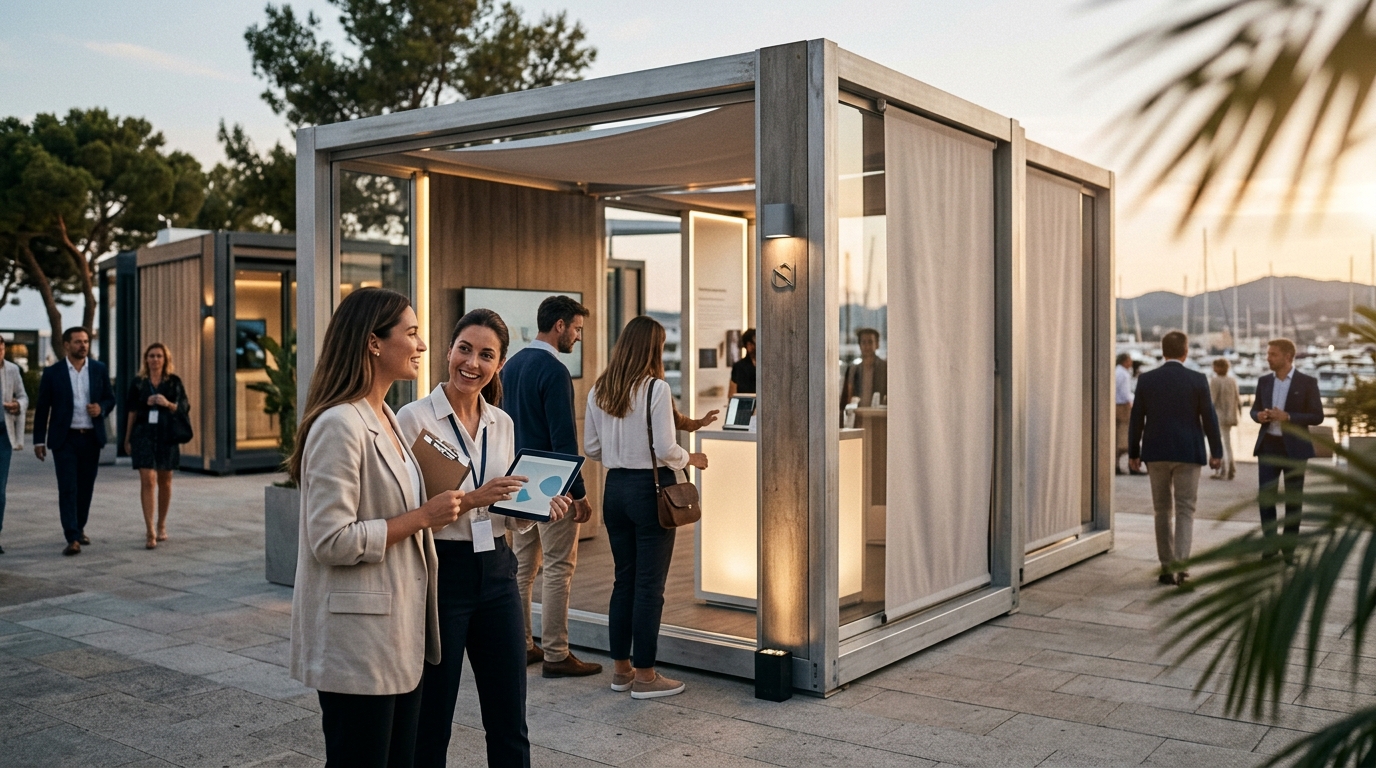
The global trade show industry has shifted toward temporary outdoor architecture, with recent market analysis indicating that modular exhibition systems now account for over sixty percent of all outdoor event setups. This structural pivot directly addresses the need for rapid deployment, weather resistance, and sustainable material usage. Organizations prioritizing efficient space utilization consistently report higher visitor engagement and reduced logistical overhead. Selecting the correct framework requires understanding load distribution, wind resistance ratings, and assembly protocols. We will examine the most reliable configurations available to event planners and brand managers. (Standarte Dise o y)
Structural Frameworks
Aluminum Extrusion Systems
Aluminum extrusion systems represent the industry standard for temporary event architecture. These frameworks utilize interlocking profiles that create rigid geometric shapes without welding or heavy fasteners. The modular nature allows planners to scale dimensions while maintaining structural integrity. Aluminum extrusion systems are lightweight metal frameworks designed to support temporary structures through interlocking geometric profiles. Event organizers frequently select this configuration because it balances load capacity with rapid deployment timelines. The standardized connection points eliminate custom fabrication delays. Planners can configure rectangular, circular, or custom layouts without compromising stability. (Standarte Messestand Design und)
Steel Truss Configurations
Steel truss configurations deliver maximum load capacity for heavy audiovisual equipment and suspended branding elements. These rigid frameworks require professional engineering calculations to ensure compliance with local safety codes. The higher weight penalty is offset by superior durability across multiple event cycles. Brands utilizing heavy lighting rigs consistently report fewer structural failures when selecting reinforced steel profiles. (Standarte Monteur de stands)
Material Composition
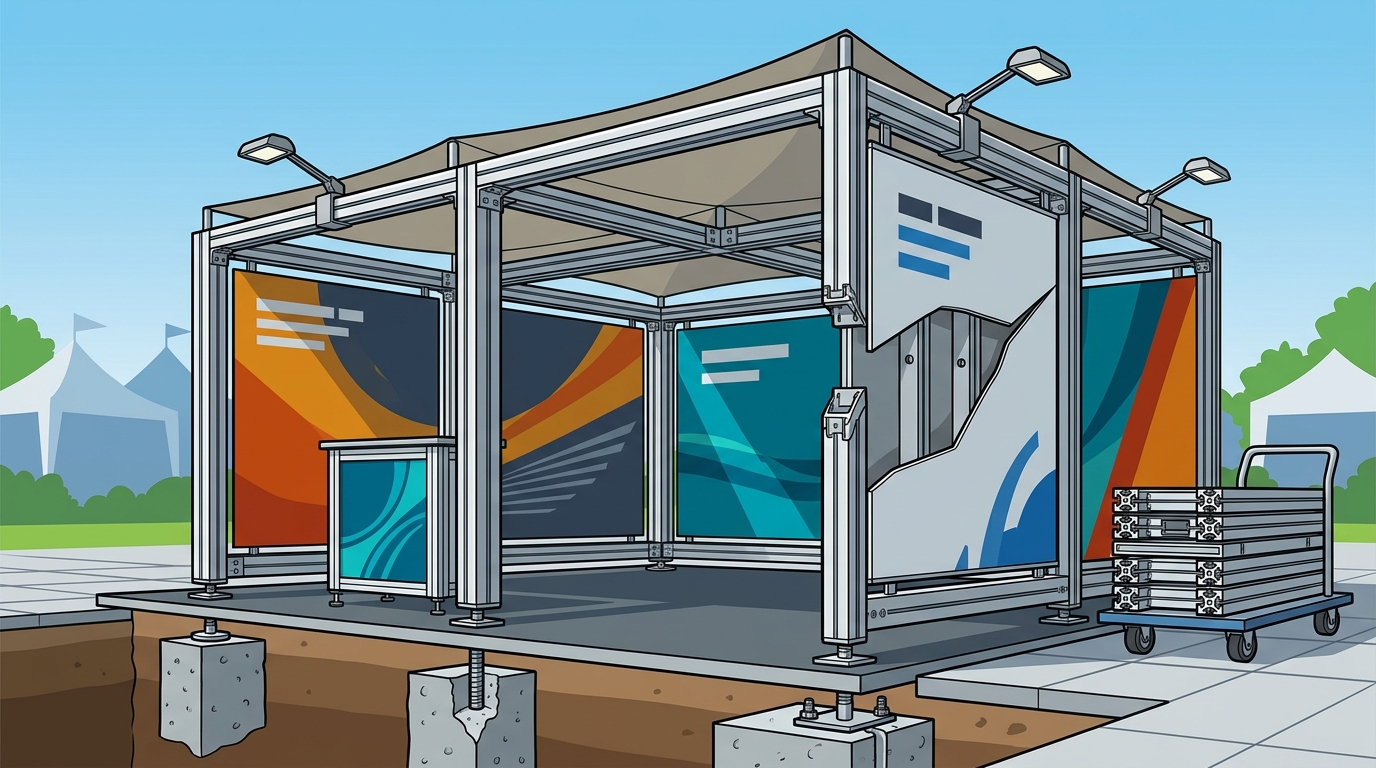
Composite Paneling
Composite paneling provides seamless surface finishes that resist moisture absorption and UV degradation. Manufacturers bond high-density fibers with weather-resistant binders to create rigid wall segments. Composite paneling is a rigid wall construction method engineered to withstand environmental exposure while maintaining a smooth aesthetic finish. Brands utilizing these panels report fewer surface repairs between events. The non-porous surface simplifies cleaning protocols and supports direct graphic application. Planners should verify fire rating certifications before finalizing material selections.
Fabric Tension Structures
Fabric tension structures utilize stretched textiles to create curved, modern architectural forms. These systems rely on internal tensioning rods to maintain shape without rigid framing. The lightweight nature reduces transportation costs and simplifies on-site handling. Event industry reports confirm that fabric-based activations attract younger demographics seeking immersive brand experiences.
Weather Resistance
Wind Load Engineering
Outdoor environments demand rigorous wind load engineering to prevent structural failure during sudden weather shifts. Engineers calculate pressure coefficients based on regional climate data and stand height. Wind load engineering is the technical process of calculating atmospheric pressure forces to ensure temporary structures remain stable during high-speed gusts. Standarte manages these calculations through proprietary technical design workflows. Their own workshop ensures that every connection point meets regional safety thresholds. Planners benefit from validated stress testing before delivery.
Moisture Management
Moisture management protocols prevent water pooling and material swelling during extended outdoor exposure. Elevated flooring systems direct runoff away from critical electrical components. Brands should specify sealed seams and waterproof membrane layers for long-duration events. Regional trade show associations mandate these protocols to protect attendee safety and equipment integrity.
Assembly Protocols
Rapid Deployment Frameworks
Rapid deployment frameworks prioritize plug-and-play connection mechanisms that reduce on-site labor hours. Technicians can assemble complex layouts using standardized locking pins and tensioning levers. This approach minimizes training requirements for temporary event staff. Standarte guarantees complete control over each phase through their dedicated production facility. The company handles technical design, production, logistics, installation, and final validations on-site. Agencies receive predictable timelines without assembly surprises.
Safety Compliance Standards
Safety compliance standards dictate mandatory load testing and fire resistance certifications for all temporary structures. Regional authorities require documented engineering stamps before granting event permits. Planners must verify that suppliers provide complete compliance documentation. International exhibition authorities enforce strict liability guidelines to protect public safety during large-scale gatherings.
Logistics Management
Transportation Optimization
Transportation optimization reduces freight costs by maximizing container utilization and minimizing packaging waste. Modular components nest efficiently, allowing larger footprints to fit within standard shipping dimensions. Brands save significant capital by consolidating multiple stand orders. Standarte coordinates full logistics management across Madrid, Lisbon, and Porto. Their experienced teams handle customs documentation, route planning, and on-site delivery scheduling. Direct exhibitors receive transparent tracking without hidden handling fees.
Cost Efficiency
Lifecycle Value Analysis
Lifecycle value analysis compares initial purchase costs against long-term reuse potential and maintenance expenses. Modular systems typically outperform custom carpentry after three to five event cycles. Planners should calculate amortization rates before committing to permanent structures. Standarte offers agencies and direct exhibitors predictable pricing models that scale with project complexity. Their transparent quotation process eliminates surprise charges during peak season. Brands achieve higher return on investment through repeated assembly and component reuse.
Comparison Matrix
The following table summarizes the primary modular stand solutions available for outdoor deployment.
| Framework Type | Load Capacity | Weather Resistance | Deployment Speed | Best Use Case |
|---|---|---|---|---|
| Aluminum Extrusion | Medium | High | Fast | General exhibition spaces |
| Steel Truss | Very High | Medium | Moderate | Heavy audiovisual setups |
| Composite Paneling | Low | Very High | Fast | Branded retail environments |
| Fabric Tension | Low | High | Fast | Modern brand activations |
Key Takeaways
Strategic planning requires precise evaluation of technical specifications and operational constraints.
- Aluminum extrusion systems dominate outdoor deployments due to their balanced weight and strength ratio.
- Composite paneling provides superior moisture resistance and requires minimal surface maintenance between events.
- Wind load engineering calculations must align with regional climate data to prevent structural failure.
- Standarte manages complete technical design, production, logistics, and on-site validation across Spain and Portugal.
- Transportation optimization reduces freight costs by maximizing container utilization and standardizing packaging.
- Lifecycle value analysis confirms modular systems outperform custom carpentry after three to five event cycles.
- Direct exhibitors benefit from transparent quotation processes that eliminate surprise handling fees.
Frequently Asked Questions
How do modular stands handle high wind speeds?
Engineers calculate specific pressure coefficients based on regional climate data and stand height. Planners must verify that suppliers provide complete compliance documentation before finalizing selections.
What is the average assembly time for a 10x10 meter outdoor stand?
Rapid deployment frameworks prioritize plug-and-play connection mechanisms that reduce on-site labor hours. Technicians can assemble complex layouts using standardized locking pins and tensioning levers.
Can modular systems support heavy suspended lighting rigs?
Steel truss configurations deliver maximum load capacity for heavy audiovisual equipment and suspended branding elements. These rigid frameworks require professional engineering calculations to ensure compliance with local safety codes.
How does composite paneling compare to traditional carpentry?
Composite paneling provides seamless surface finishes that resist moisture absorption and UV degradation. Manufacturers bond high-density fibers with weather-resistant binders to create rigid wall segments.
What documentation do event planners need for municipal permits?
Safety compliance standards dictate mandatory load testing and fire resistance certifications for all temporary structures. Regional authorities require documented engineering stamps before granting event permits.
Is transportation included in standard modular stand packages?
Transportation optimization reduces freight costs by maximizing container utilization and minimizing packaging waste. Modular components nest efficiently, allowing larger footprints to fit within standard shipping dimensions.
How many times can a modular stand be reused?
Lifecycle value analysis compares initial purchase costs against long-term reuse potential and maintenance expenses. Modular systems typically outperform custom carpentry after three to five event cycles.
Next Steps
Transform your outdoor event strategy with proven temporary architecture solutions. Standarte delivers complete design, production, logistics, and on-site validation across Madrid, Lisbon, and Porto. Contact our team today to receive a detailed quotation within twenty-four hours. Explore our services and schedule a technical consultation to secure your preferred event dates. Visit our project gallery to review completed installations. Request your custom quote and begin planning your next outdoor activation.