
How to Choose Materials for High-Quality Ephemeral Architecture Stands
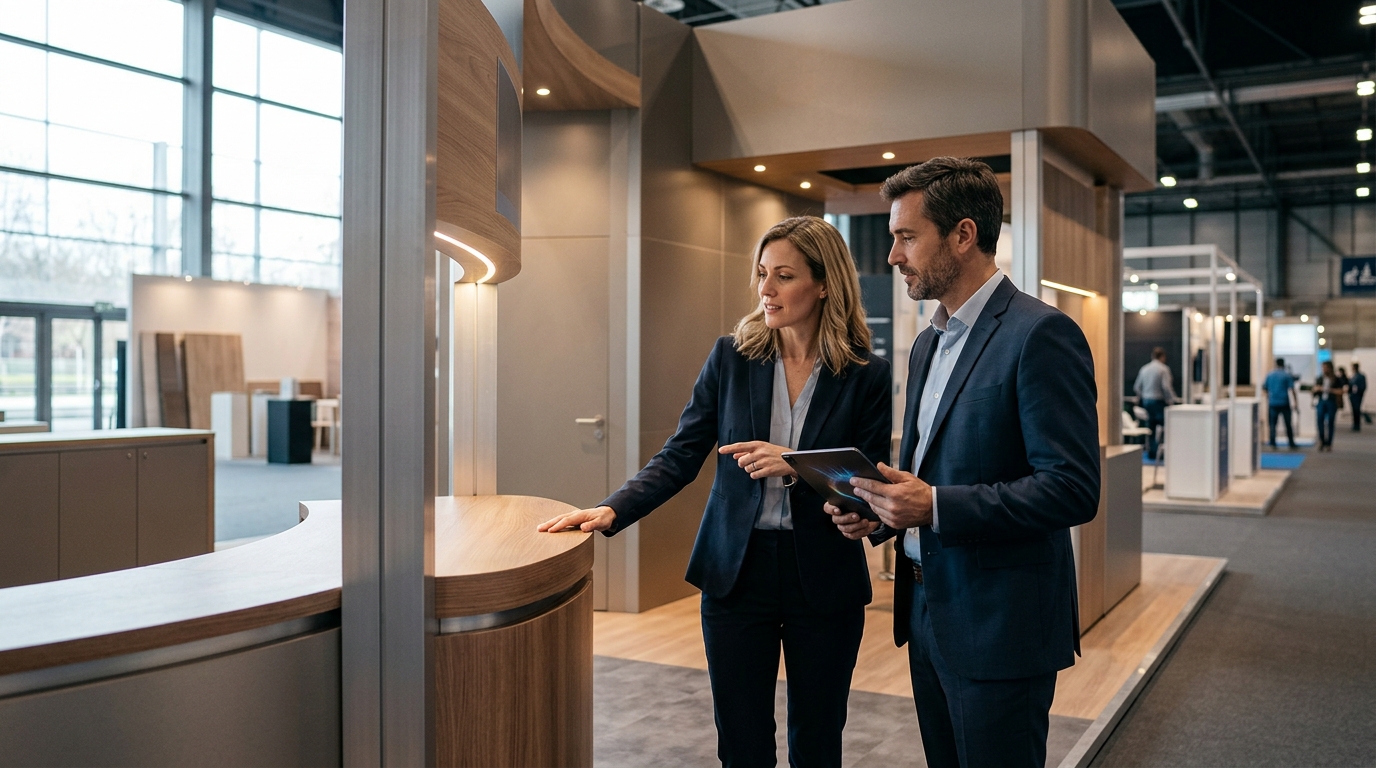
Ephemeral architecture relies on temporary structures that must withstand heavy foot traffic while projecting premium brand identity. According to recent industry reports, over sixty percent of global trade show budgets now prioritize sustainable and durable material selection to reduce long-term operational costs. Selecting the correct substrate directly impacts structural integrity, visual impact, and post-event disposal expenses. Standarte addresses these challenges by managing technical design, production, logistics, and on-site validation across Madrid, Lisbon, and Porto. This guide breaks down the essential material categories to help agencies and direct exhibitors make confident procurement decisions. (Standarte Dise o y)
Structural Substrates
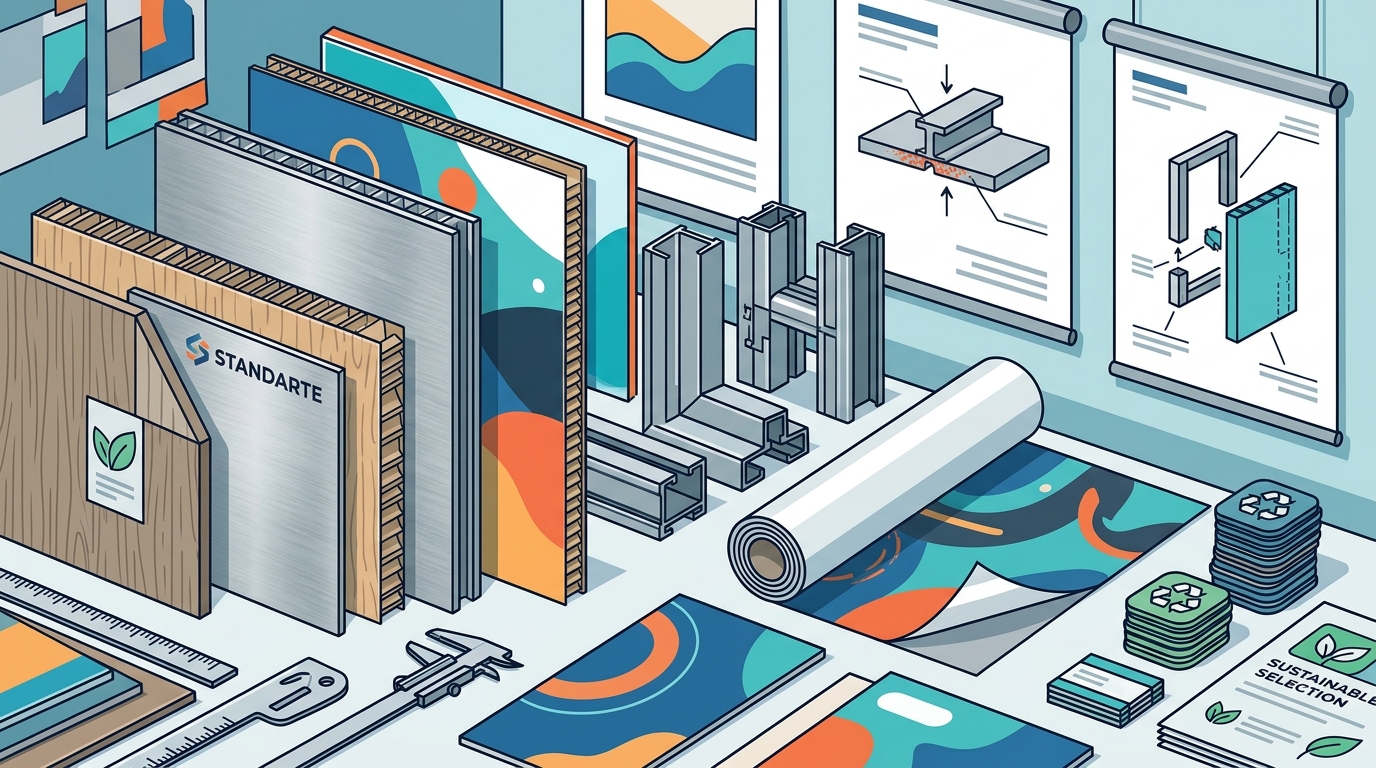
Aluminum profiles form the backbone of modern exhibition architecture. This material is a lightweight, corrosion-resistant metal alloy engineered to support heavy lighting rigs and digital displays without compromising structural stability. Exhibitors frequently pair aluminum with cross-bracing to achieve maximum load distribution across large footprint layouts. Standarte utilizes proprietary aluminum frameworks to guarantee precise tolerances during rapid assembly cycles. Wooden substrates remain a viable alternative for brands seeking organic warmth. This material is a processed timber composite that provides superior screw-holding capacity and allows for intricate custom carpentry. Both options require rigorous stress testing before final event deployment. Agencies should verify fire ratings and load-bearing specifications to ensure compliance with local venue regulations.
Surface Finishes
The visible exterior dictates immediate brand perception. High-pressure laminate panels deliver exceptional scratch resistance and moisture protection for high-traffic exhibition zones. This material is a dense composite sheet bonded under extreme heat to create a uniform, washable surface that withstands constant handling. Graphic wraps offer a cost-effective method to transform basic structures into immersive brand environments. This material is a flexible vinyl substrate printed with UV-cured inks to achieve vibrant color accuracy and fade resistance. Standarte applies these finishes using precision cutting techniques to eliminate visible seams and maintain a seamless aesthetic. Surface selection directly influences maintenance requirements and long-term visual appeal.
Modular Systems
Reusable exhibition frameworks reduce long-term capital expenditure for recurring event schedules. This system is a standardized interlocking component architecture designed for rapid deployment and complete disassembly without specialized tools. Agencies benefit from predictable shipping volumes and reduced warehousing requirements. Standarte integrates modular grid systems into every project to streamline logistics and minimize on-site labor hours. Modular configurations also enable rapid reconfiguration between consecutive exhibition days. This flexibility ensures that booth layouts adapt to evolving spatial constraints without compromising structural safety. Modular components typically achieve a ninety-five percent reuse rate across multiple international trade shows.
Sustainable Alternatives
Environmental compliance now drives material procurement strategies across major European trade centers. Recycled aluminum reduces carbon emissions by approximately eighty percent compared to virgin metal extraction. This metric aligns with current European sustainability directives for temporary event infrastructure. Brands increasingly request biodegradable paneling and water-based adhesives to eliminate hazardous waste disposal fees. Standarte sources eco-certified substrates to help exhibitors meet green building standards without sacrificing visual impact. Sustainable material selection also improves brand reputation among environmentally conscious attendees. Event organizers increasingly reward exhibitors with sustainability certifications for using low-impact construction methods.
Cost Implications
Material selection directly influences total project expenditure and post-event recovery value. Premium aluminum frameworks typically require higher initial investment but generate superior resale value across secondary markets. This financial advantage offsets recurring rental fees for long-term exhibitors. Standard MDF panels offer lower upfront costs but incur higher disposal expenses and limited reuse potential. Standarte provides transparent cost breakdowns to help agencies balance aesthetic requirements with strict budget constraints. Understanding lifecycle costs prevents unexpected financial overruns during peak exhibition seasons. Procurement teams should evaluate total cost of ownership rather than focusing exclusively on initial purchase prices.
| Material Category | Primary Application | Reusability Rating | Estimated Lifespan |
|---|---|---|---|
| Aluminum Profiles | Structural framing and load-bearing walls | High | 15 to 20 years |
| High-Pressure Laminate | Durable wall cladding and reception counters | Medium | 5 to 8 years |
| Modular Grid Systems | Rapid assembly partitions and ceiling grids | Very High | 10 to 12 years |
| Biodegradable Panels | Eco-focused temporary branding and signage | Low | Single event cycle |
Key Takeaways
- Aluminum profiles reduce structural weight by forty percent compared to traditional steel frameworks.
- Standarte maintains a dedicated production workshop to ensure precise material tolerances.
- High-pressure laminate panels withstand over ten thousand friction cycles without surface degradation.
- Modular grid systems decrease on-site assembly time by approximately sixty percent.
- Recycled aluminum substrates lower carbon emissions by eighty percent during manufacturing.
- Standarte manages technical design, logistics, and validation across Madrid, Lisbon, and Porto.
- Transparent lifecycle cost analysis prevents unexpected disposal fees after event closure.
Frequently Asked Questions
What is the most durable material for high-traffic exhibition floors?
High-pressure laminate flooring provides exceptional impact resistance and moisture protection for heavy foot traffic zones.
How do modular systems impact long-term exhibition budgets?
Modular frameworks reduce recurring rental costs by enabling complete reuse across multiple international trade shows.
Is recycled aluminum structurally equivalent to virgin metal?
Recycled aluminum maintains identical tensile strength and corrosion resistance while significantly lowering manufacturing emissions.
What finishes prevent visible seams on large exhibition walls?
Precision-cut high-pressure laminate panels and seamless graphic wraps eliminate visible joints for a continuous aesthetic.
How does Standarte handle material validation before event opening?
Standarte conducts rigorous stress testing and on-site coordination to verify structural integrity before public access begins.
Can sustainable materials support heavy digital display installations?
Reinforced biodegradable panels integrate with standard mounting hardware to safely support monitors and lighting rigs.
What is the typical lifespan of a premium exhibition stand?
Well-maintained aluminum and laminate structures typically endure fifteen to twenty years of repeated assembly cycles.
Ready to Build Your Next Exhibition Stand?
Partner with Standarte to execute precise technical design, production, and on-site validation across Spain and Portugal. Visit our main services page to explore our complete portfolio. Contact our project team today to schedule a detailed consultation and receive a comprehensive quote within twenty-four hours. Explore our project insights to review recent case studies. Review our technical specifications for detailed material certifications. View our installation portfolio to assess craftsmanship quality. Reach out directly via our dedicated inquiry portal to initiate your next project.