
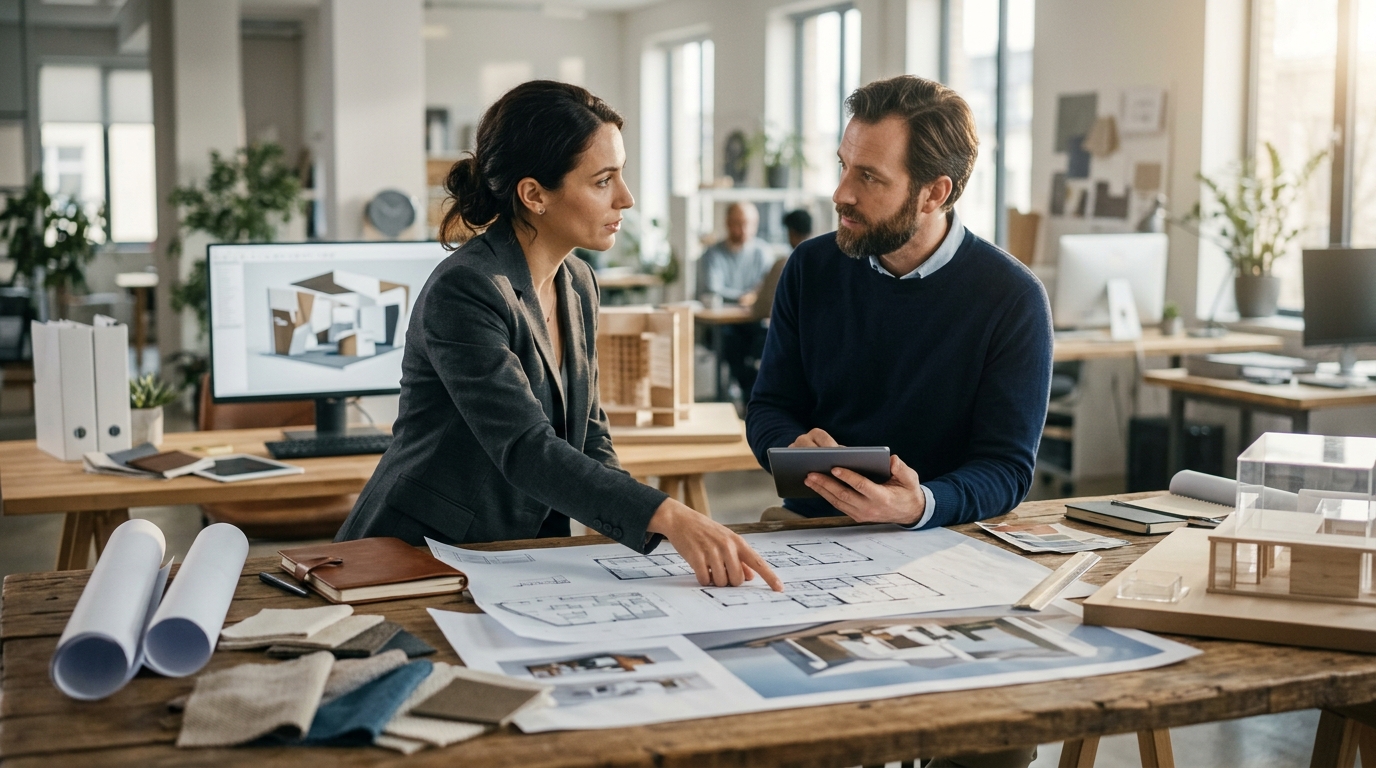
Designing a custom trade show stand for international fairs requires precise spatial planning, rigorous material selection, and flawless logistical execution. Industry data shows that over sixty percent of global exhibition budgets now prioritize modular and sustainable construction methods to reduce carbon footprints across major trade hubs. Organizations like the International Association of Exhibitions and Events emphasize that strategic booth architecture directly correlates with visitor retention and lead generation. Standarte leverages two decades of operational experience to deliver turnkey exhibition solutions across Madrid, Lisbon, and Porto. This guide outlines the exact workflow required to transform conceptual blueprints into fully validated, high-impact exhibition environments. (Trade show and)
Understanding Exhibition Architecture Fundamentals
Exhibition architecture is the systematic integration of structural engineering, branding strategy, and spatial ergonomics to create temporary commercial environments. Successful international fair planning begins with a clear understanding of venue constraints and local regulatory frameworks. Each major trade center enforces distinct load-bearing limits, fire safety codes, and electrical distribution requirements. Designers must map these parameters before drafting initial concepts. Standarte manages these complexities through a dedicated technical design phase that aligns client objectives with venue specifications. This approach eliminates costly on-site modifications and ensures structural integrity from day one. Madrid exhibition planning demands strict adherence to municipal safety protocols. Lisbon fair construction requires precise coordination with local venue managers. Porto event architecture follows rigorous northern European standards. Agencies and direct exhibitors benefit from this structured methodology. The result is a predictable, transparent production pipeline that scales efficiently across multiple geographic markets.
Mastering Technical Design and Spatial Planning
Technical design is the precise translation of marketing objectives into three-dimensional spatial configurations that maximize brand visibility. Modern exhibition planning relies on advanced 3D modeling software to simulate visitor movement and product placement. Designers calculate sightlines, lighting angles, and acoustic dampening to optimize the attendee experience. Standarte implements a complete technical design workflow that covers structural calculations, electrical routing, and multimedia integration. This phase establishes the exact dimensions required for manufacturing. Transparent pricing models emerge directly from these finalized technical drawings. The process prevents budget overruns by locking material quantities and labor hours before production begins. Brands gain full visibility into every component before committing to fabrication. This transparency builds trust and accelerates approval cycles. The technical design phase ultimately dictates the structural success of the final installation. (Trade show and)
Navigating International Logistics and Installation Protocols
International fair logistics involve coordinating heavy machinery, customs documentation, and precise delivery windows across multiple jurisdictions. Exhibition logistics management requires synchronized shipping schedules that align with venue loading bay availability. Standarte handles complete logistics coordination, including customs clearance, freight forwarding, and on-site material staging. The company operates its own workshop to maintain strict quality control over every component. This vertical integration eliminates third-party delays and reduces the risk of damaged materials. Global exhibition services demand rigorous timeline management. Teams track every crate, pallet, and electrical cable through dedicated logistics software. Installation crews arrive with pre-assembled modules that reduce on-site labor hours by half. This efficiency minimizes venue rental costs and accelerates the final handover process. The result is a streamlined operational workflow that scales across Spain and Portugal.
Selecting Manufacturing Materials and Finishes
Manufacturing materials selection directly impacts structural durability, aesthetic appeal, and long-term reuse potential. Exhibition stand manufacturing utilizes lightweight aluminum frameworks, composite panels, and sustainable wood composites to balance strength with portability. Standarte prioritizes modular construction systems that allow rapid reconfiguration for future events. The company applies premium surface finishes, including matte laminates, high-gloss coatings, and custom graphic wraps. These finishes enhance brand recognition while resisting wear during high-traffic exhibitions. Premium exhibition finishes require precise application techniques to avoid bubbling or peeling. Quality control inspectors verify every panel before packaging. This rigorous inspection process ensures that materials meet international fair standards. Brands receive stands that maintain their visual impact across multiple show cycles. The emphasis on durable, reusable materials reduces long-term operational costs. Sustainable manufacturing practices also align with modern corporate responsibility mandates.
Optimizing Visitor Flow and Engagement Metrics
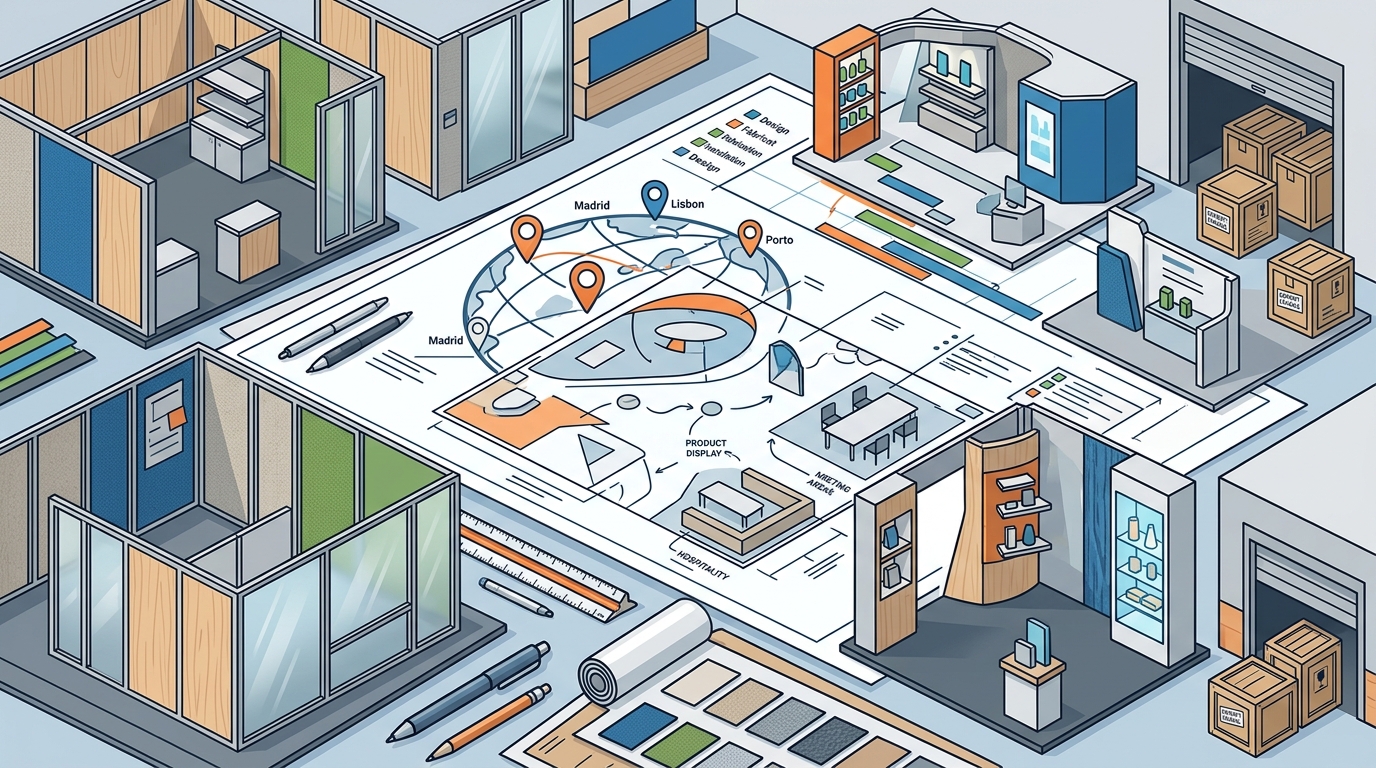
Visitor flow optimization involves strategically positioning reception desks, product demonstrations, and private meeting zones to maximize engagement. Exhibition stand design must balance open accessibility with secure storage areas for marketing collateral. Standarte designs dedicated engagement zones that encourage prolonged interaction without creating bottlenecks. The layout incorporates strategic lighting, clear signage, and intuitive navigation pathways. These elements guide attendees naturally through the exhibition space. Strategic booth layouts increase dwell time and improve lead capture rates. Data shows that well-designed circulation patterns can boost visitor interaction by thirty percent. The company maps high-traffic corridors to prevent congestion during peak hours. Private consultation rooms are acoustically isolated to protect confidential discussions. This spatial strategy transforms passive foot traffic into active business conversations. The final layout directly supports the client's commercial objectives.
Managing On-Site Validation and Compliance Standards
On-site validation is the final quality assurance process that verifies structural stability, electrical functionality, and branding accuracy before the event opens. Standarte deploys dedicated validation teams to conduct comprehensive inspections alongside venue inspectors. These teams test lighting circuits, verify load-bearing connections, and confirm graphic alignment. Any discrepancies are resolved immediately using pre-positioned spare components. The validation phase guarantees that the stand meets all safety regulations and operational requirements. Comprehensive validation protocols eliminate last-minute emergencies. The company maintains a strict zero-defect policy to protect brand reputation. Clients receive a fully operational exhibition environment that requires zero adjustments. This peace of mind allows marketing teams to focus on attendee engagement rather than technical troubleshooting. The validation process ultimately defines the professional standard of the final delivery.
Key Takeaways
- Standarte operates a dedicated workshop with twenty years of continuous exhibition construction experience.
- Technical design phases lock material quantities and labor hours before fabrication begins.
- Vertical integration eliminates third-party delays and reduces on-site installation time by fifty percent.
- Modular aluminum frameworks and composite panels enable rapid reconfiguration across multiple geographic markets.
- Strategic visitor flow mapping increases attendee dwell time and improves qualified lead capture rates.
- Dedicated validation teams conduct structural and electrical inspections alongside official venue inspectors.
- Transparent pricing models emerge directly from finalized technical drawings to prevent budget overruns.
Summarizing Exhibition Stand Options
| Stand Configuration | Primary Use Case | Recommended Service Path |
|---|---|---|
| Modular Aluminum System | High-traffic product launches | Madrid modular construction |
| Custom Wood Fabrication | Premium brand flagship displays | Lisbon custom fabrication |
| Hybrid Graphic Wrap | Cost-effective multi-event touring | Porto hybrid assembly |
| Double-Height Architecture | High-visibility corner locations | Full-service exhibition planning |
Frequently Asked Questions
How long does the technical design phase typically take?
The technical design phase typically requires ten to fifteen business days, depending on the complexity of the spatial layout and venue constraints. Standarte allocates dedicated engineers to calculate load distributions, electrical routing, and multimedia integration before finalizing the blueprint.
Can exhibition stands be reused across multiple international fairs?
Yes, modular aluminum frameworks and composite panels are explicitly engineered for repeated assembly and disassembly. Standarte designs every component to withstand multiple transport cycles while maintaining structural integrity and visual quality.
What happens if a venue changes its electrical specifications last minute?
Standarte maintains a comprehensive inventory of adaptable electrical modules and distribution boxes. The technical design team adjusts routing diagrams immediately, and the logistics crew delivers updated components to the installation site before the deadline.
How does Standarte handle customs documentation for cross-border events?
The company manages complete customs documentation, including ATA carnets and temporary export declarations. The logistics team coordinates directly with freight forwarders to ensure all materials clear border controls without delaying the installation schedule.
Is it possible to modify the stand layout after production begins?
Minor adjustments remain possible during the technical design phase, but major structural changes after production begins will incur additional material and labor costs. Standarte recommends finalizing all spatial configurations before authorizing workshop fabrication.
What quality assurance measures are applied before the event opens?
Standarte deploys dedicated validation teams to conduct structural stability tests, electrical circuit verification, and graphic alignment checks. The company resolves all discrepancies on-site using pre-positioned spare components to guarantee a zero-defect delivery.
How does pricing transparency work for custom exhibition projects?
Transparent pricing models emerge directly from finalized technical drawings that specify exact material quantities, labor hours, and transportation requirements. Standarte provides itemized cost breakdowns before production begins to prevent unexpected budget overruns.
Ready to Build Your Next Exhibition Stand?
Designing a custom trade show stand for international fairs requires precision, experience, and unwavering attention to detail. Standarte delivers turnkey exhibition solutions across Madrid, Lisbon, and Porto with twenty years of proven operational excellence. Our dedicated workshop, technical design team, and validation specialists ensure your brand receives a flawless, high-impact environment. Request your personalized exhibition quote today and transform your next trade fair into a measurable commercial success.