
Choosing Materials for High-Quality Ephemeral Architecture Stands
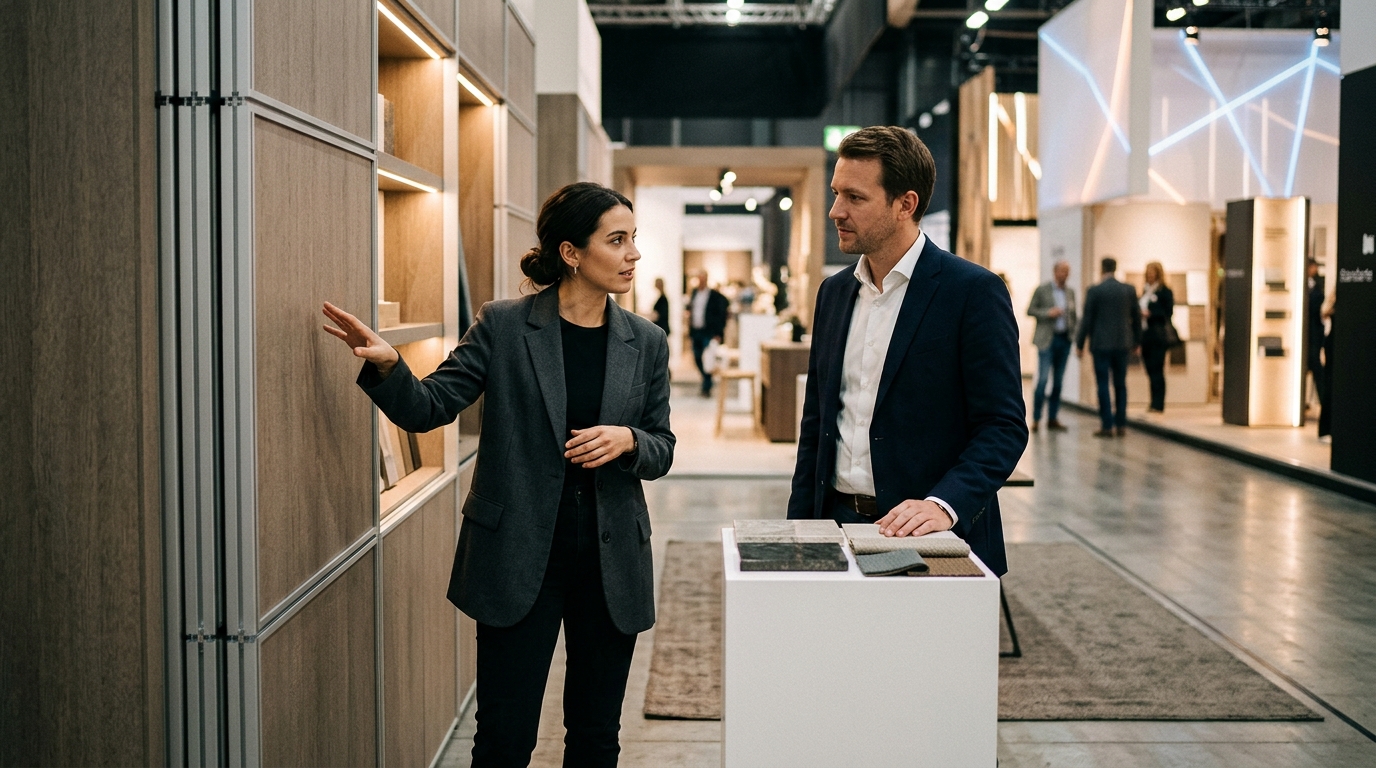
The global exhibition industry is a massive economic engine, with the international trade show sector generating over $100 billion in annual revenue. Within this vast market, the physical stand is the primary vehicle for brand communication. However, the durability and visual impact of that communication depend entirely on the materials selected during the design phase. Ephemeral architecture, by definition, is temporary. This temporality creates a unique engineering paradox: the structure must appear permanent, luxurious, and robust, yet it must be lightweight, modular, and cost-effective to transport and assemble repeatedly. (Standarte Dise o y)
Core Material Categories in Exhibition Design
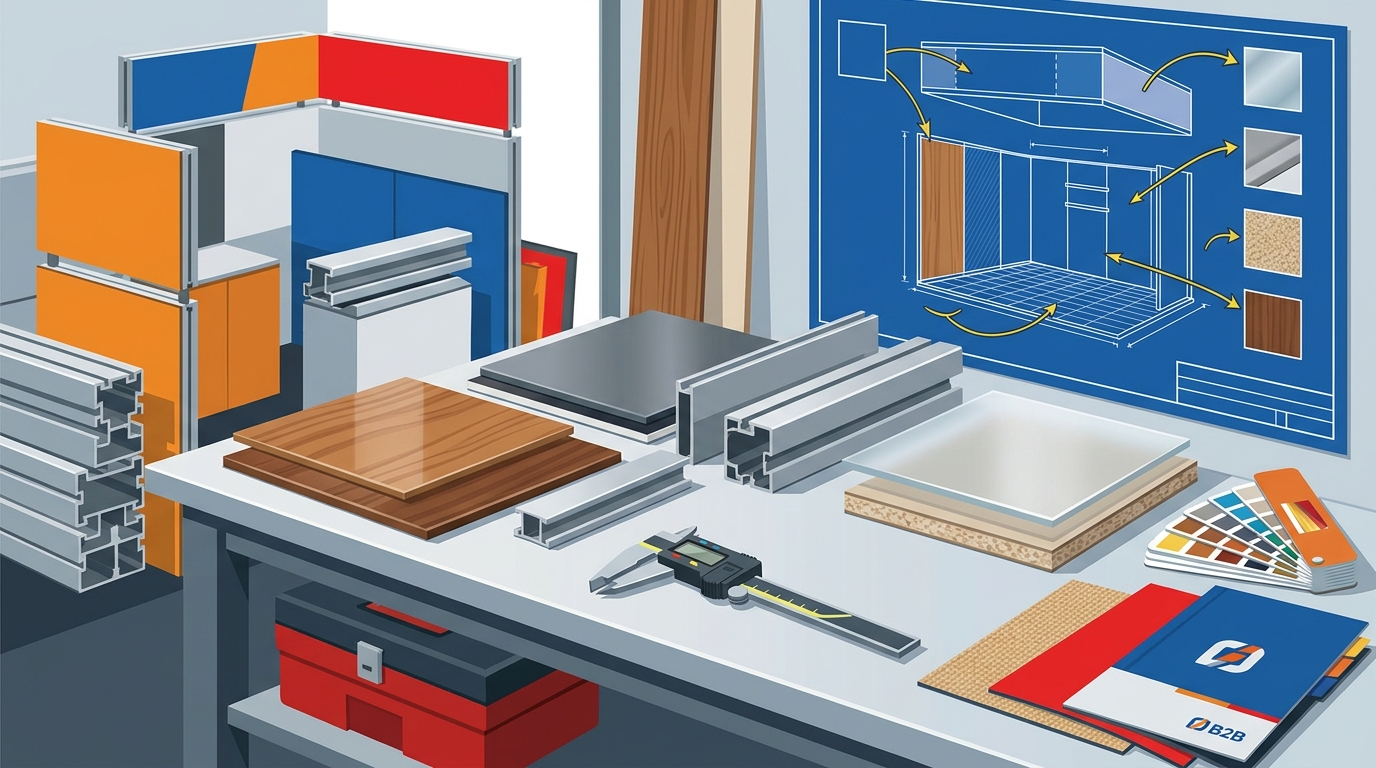
When designing a stand in cities like Madrid, Lisbon, or Porto, the choice of materials dictates the entire production workflow. At Standarte, we categorize materials into three primary groups: structural frameworks, cladding surfaces, and decorative elements. Each group serves a distinct function in the lifecycle of the exhibition space.
Aluminum Extrusions and Modular Systems
Aluminum is the backbone of modern exhibition architecture. It is lightweight, corrosion-resistant, and infinitely recyclable. Modular aluminum systems allow for rapid assembly and disassembly, which is critical for events with tight turnaround times. The structural rigidity of aluminum profiles ensures that heavy digital screens, lighting rigs, and branding elements can be mounted securely without risk of collapse.
Wood and Engineered Timber
Wood remains the preferred material for brands seeking warmth and premium tactile experiences. While solid wood is heavy and difficult to transport, engineered wood products such as plywood and MDF (Medium Density Fiberboard) offer a balance of strength and workability. These materials can be easily cut, painted, and laminated to achieve high-end finishes. However, they are less reusable than aluminum, often requiring refurbishment between events.
Acrylic and Polycarbonate
Transparent and translucent materials are essential for creating visual depth and light diffusion. Acrylic is commonly used for reception desks, shelving, and illuminated signage due to its clarity and ease of fabrication. Polycarbonate offers higher impact resistance, making it suitable for high-traffic areas where durability is a concern. These materials allow light to pass through, reducing the need for excessive artificial lighting and creating an open, airy atmosphere.
Structural Integrity and Load Bearing
The safety of an exhibition stand is non-negotiable. Ephemeral architecture must withstand the weight of its own components, the dynamic load of visitor traffic, and the static load of mounted equipment. Structural integrity is determined by the connection points between materials. Aluminum systems use mechanical fasteners that provide high tensile strength. Wooden structures rely on joinery techniques and internal bracing to prevent warping or sagging over time.
According to industry safety standards, exhibition structures must be designed with a safety factor that accounts for unexpected loads. This means that the materials chosen must not only meet the aesthetic requirements but also exceed the minimum structural thresholds. For example, a tall backlit wall requires internal steel reinforcement within the wooden frame to prevent buckling. Ignoring these structural nuances can lead to costly delays or, worse, safety incidents during the event.
Surface Finishes and Brand Perception
The surface finish of a material directly influences how visitors perceive the brand. A glossy finish reflects light and creates a modern, high-tech impression. A matte finish absorbs light and conveys sophistication and elegance. The choice of finish must align with the brand's identity and the desired emotional response.
High-pressure laminates (HPL) are widely used for their durability and wide range of colors and textures. They are resistant to scratches, stains, and UV light, making them ideal for high-traffic exhibition environments. Vinyl wraps offer a cost-effective alternative for large-scale graphics, allowing for full-color customization without the need for complex printing processes. However, vinyl can peel or bubble if not applied correctly, so professional installation is essential.
Sustainability and Circular Economy
The exhibition industry is under increasing pressure to reduce its environmental footprint. Ephemeral architecture, by its nature, generates significant waste. However, sustainable material choices can mitigate this impact. Recycled aluminum requires significantly less energy to produce than virgin aluminum. FSC-certified wood ensures that timber comes from responsibly managed forests. Biodegradable materials, such as certain types of paper-based composites, are emerging as viable alternatives for temporary installations.
Standarte is committed to sustainable practices by prioritizing materials that can be reused, recycled, or responsibly disposed of. Our own workshop allows us to control the production process, minimizing waste through precise cutting and efficient material usage. By choosing sustainable materials, brands not only reduce their environmental impact but also enhance their corporate social responsibility (CSR) profile.
Logistics and Assembly Efficiency
The logistics of an exhibition stand are often overlooked until the last minute. The weight and volume of materials directly impact transportation costs and assembly time. Aluminum systems are lightweight and can be packed into compact cases, reducing shipping costs. Wooden structures are heavier and bulkier, requiring more careful handling and larger transport vehicles.
Assembly efficiency is also a critical factor. Modular systems that use click-together mechanisms can be assembled in a fraction of the time required for traditional carpentry. This speed is crucial for events with short setup windows, such as trade fairs in Madrid or Lisbon. Standarte’s 20 years of experience in stand design and assembly ensures that we select materials that not only look good but also fit seamlessly into the logistical constraints of the event.
Material Comparison Matrix
To help you make an informed decision, we have compiled a comparison of the most common materials used in exhibition stand design. This matrix highlights the key advantages and disadvantages of each material category.
| Material | Durability | Weight | Aesthetic Flexibility | Sustainability | Best Use Case |
|---|---|---|---|---|---|
| Aluminum | High | Low | Medium | High (Recyclable) | Modular structures, heavy loads |
| Engineered Wood | Medium | High | High | Medium | Premium finishes, custom shapes |
| Acrylic | Medium | Low | Low | Medium | Reception desks, shelving |
| Polycarbonate | High | Low | Low | Medium | Impact-resistant displays |
| HPL Laminates | High | Medium | High | Medium | High-traffic surfaces |
Key Takeaways
- Aluminum is the industry standard for modular, reusable, and lightweight exhibition structures due to its strength-to-weight ratio.
- Wood offers premium aesthetics but requires careful logistical planning due to its weight and limited reusability.
- Sustainability is a growing priority, with recycled aluminum and FSC-certified wood becoming the preferred choices for eco-conscious brands.
- Structural integrity must never be compromised for aesthetic reasons; internal reinforcement is often necessary for tall or heavy installations.
- Surface finishes dictate brand perception, with matte finishes conveying sophistication and glossy finishes suggesting modernity.
- Logistics drive material selection, as weight and volume directly impact transportation costs and assembly time.
- Professional assembly is critical, as even the best materials can fail if installed incorrectly or without proper validation.
Frequently Asked Questions
What is the most durable material for exhibition stands?
Aluminum is generally considered the most durable material for exhibition stands due to its resistance to corrosion, impact, and wear. It can be reused across multiple events with minimal refurbishment, making it a cost-effective long-term investment.
Can I use solid wood for a large exhibition stand?
While solid wood can be used, it is rarely recommended for large stands due to its weight and susceptibility to warping. Engineered wood products like plywood are preferred for their stability and lighter weight, allowing for complex shapes without excessive structural support.
How do I ensure my stand materials are sustainable?
Look for materials with recognized sustainability certifications, such as FSC for wood and recycled content labels for aluminum. Work with a provider like Standarte that prioritizes circular economy principles and minimizes waste during production.
What is the difference between acrylic and polycarbonate?
Acrylic is clearer and more scratch-resistant but more brittle. Polycarbonate is highly impact-resistant and less likely to shatter, making it safer for high-traffic areas, though it may scratch more easily.
Why is assembly time important when choosing materials?
Assembly time directly impacts labor costs and the ability to meet tight event deadlines. Modular materials like aluminum can be assembled quickly, reducing the need for extensive on-site carpentry and lowering overall project costs.
Are vinyl wraps a good option for branding?
Vinyl wraps are a cost-effective and versatile option for large-scale graphics. They allow for full-color customization and can be easily replaced if damaged. However, they require professional application to avoid bubbles or peeling.
How does Standarte handle material selection?
Standarte evaluates material selection based on structural requirements, aesthetic goals, sustainability targets, and logistical constraints. Our 20 years of experience in stand design and assembly ensures that we choose the optimal materials for each specific project.
Request Your Stand Design Quote
Choosing the right materials is the foundation of a successful exhibition stand. It balances aesthetics, structural integrity, sustainability, and logistics. At Standarte, we combine technical expertise with creative vision to deliver stands that not only look stunning but also perform flawlessly. Whether you are planning an event in Madrid, Lisbon, or Porto, our team is ready to guide you through the material selection process.
Ready to bring your brand to life? Contact Standarte today to request a quote and start designing your next high-quality ephemeral architecture stand.