
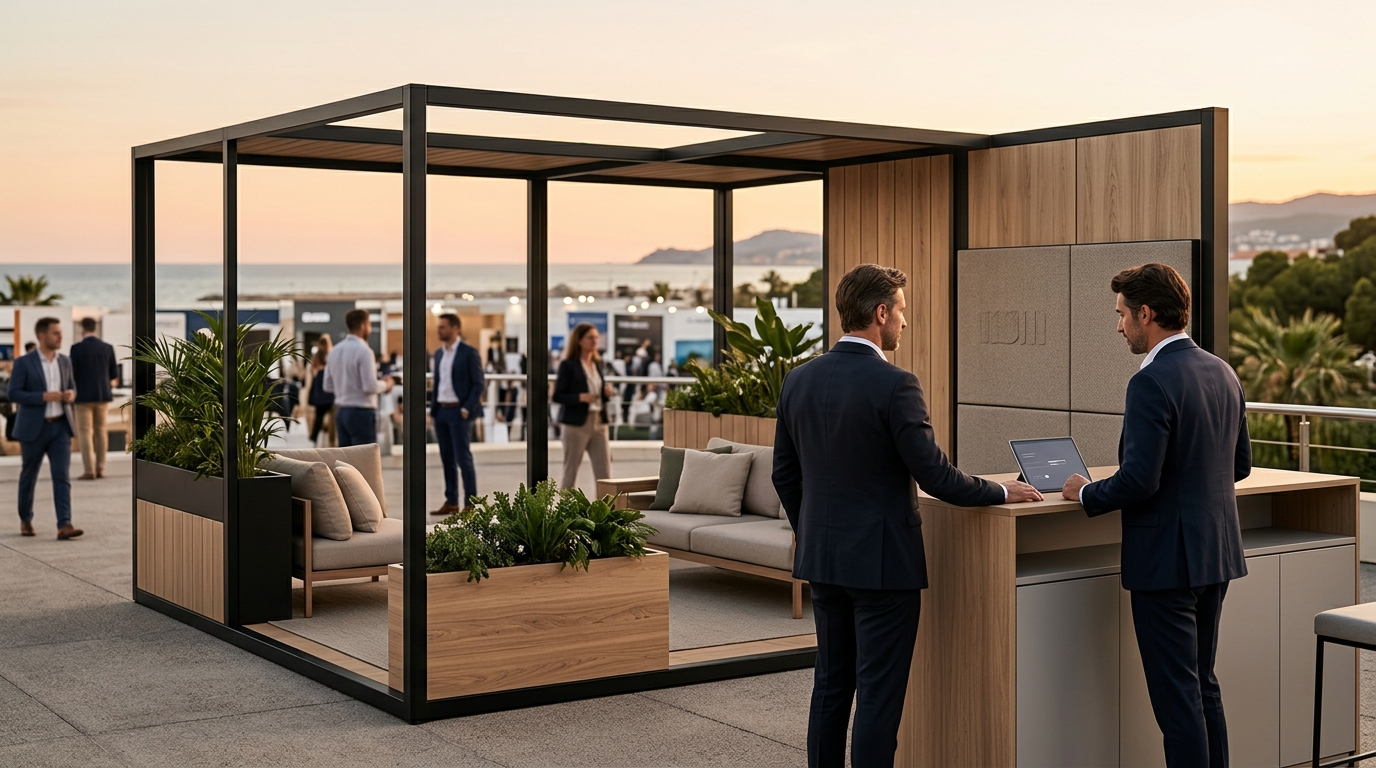
Outdoor trade shows and exhibitions present unique logistical challenges that standard indoor setups cannot address. According to recent industry data, over 60% of major European trade fairs now incorporate outdoor pavilions to accommodate larger machinery and high-traffic footfall. This shift demands robust, weather-resistant structures that maintain brand integrity under variable conditions. At Standarte, we leverage 20 years of experience in temporary architecture to deliver modular stand solutions that withstand the elements while providing seamless assembly. This guide explores the top modular systems, their technical advantages, and how to select the right configuration for your specific event requirements.
Understanding Modular Stand Systems
Modular stand systems are pre-engineered frameworks that allow for rapid assembly, disassembly, and reconfiguration. Unlike custom-built carpentry structures, these systems rely on standardized components such as aluminum profiles, tensioned fabrics, and interlocking panels. This approach offers significant advantages for outdoor events where time on-site is limited and weather conditions can change rapidly.
A modular system is a standardized framework of interchangeable components designed for quick deployment. The primary benefit lies in repeatability. Brands that exhibit at multiple events can reuse the same structural elements, reducing long-term costs and ensuring consistent brand presentation. For agencies and direct exhibitors, this means fewer surprises during installation and a higher degree of control over the final aesthetic.
Standarte utilizes these systems extensively in Madrid, Lisbon, and Porto. Our own workshop allows us to customize standard modules to meet specific brand guidelines without compromising structural integrity. This hybrid approach combines the speed of modular assembly with the precision of bespoke design.
Top Modular Stand Solutions for Outdoor Use
Selecting the right modular solution depends on the scale of your brand, the nature of your products, and the specific environmental conditions of the venue. Below are the most effective systems for outdoor applications.
1. Aluminum Profile Systems (Alu-Frame)
Aluminum profile systems are the industry standard for lightweight, durable structures. These frameworks use extruded aluminum beams connected by corner connectors or tensioning mechanisms. They are ideal for medium-sized stands where flexibility is key.
These systems are particularly effective in Madrid, where the concentration of trade fair activity requires efficient logistics. The lightweight nature of aluminum allows for faster transport and installation, which is crucial when adhering to strict venue deadlines. Furthermore, aluminum is naturally resistant to corrosion, making it suitable for humid coastal environments like Lisbon.
2. Tension Fabric Displays
Tension fabric displays utilize stretchable graphic materials that wrap around a frame. This creates a seamless, high-impact visual surface without visible seams or joints. For outdoor events, these fabrics are often treated with UV-resistant and water-repellent coatings.
This solution is excellent for brands seeking a modern, minimalist aesthetic. The smooth surface area allows for large-scale branding that is visible from a distance. Additionally, the fabric can be easily replaced if damaged, offering a cost-effective maintenance strategy for recurring events.
3. Interlocking Panel Systems
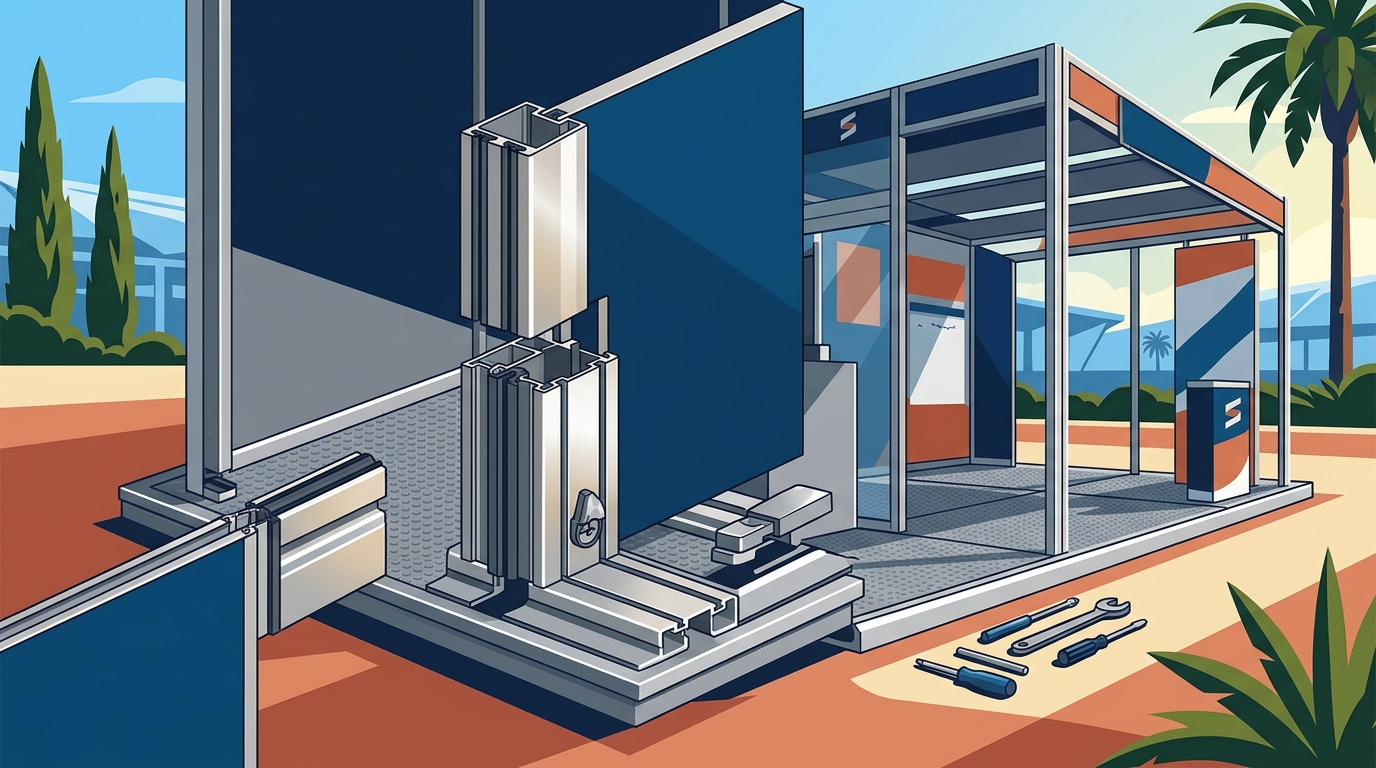
Interlocking panel systems, such as those using foam-core or composite panels, provide a solid, wall-like structure. These panels snap together to form a rigid enclosure that can support heavy lighting or digital displays.
For outdoor events, these systems offer superior wind resistance compared to fabric-only structures. The solid surface also provides better protection for sensitive equipment or products displayed within the stand. Standarte often recommends this system for high-traffic areas where durability and security are paramount.
Critical Weather Resistance Factors
Outdoor exhibitions expose structures to wind, rain, and intense sunlight. A modular stand is not just a display; it is a temporary architectural structure that must withstand environmental stress. Ignoring these factors can lead to structural failure or significant brand damage.
Wind Load Engineering
Wind is the most significant threat to outdoor stands. Structures must be engineered to handle specific wind loads based on the venue's location. For example, stands in coastal areas like Porto require higher wind resistance ratings than those in inland cities. Our engineering team calculates these loads during the design phase to ensure stability.
According to structural engineering standards, the surface area of a stand directly correlates with its wind resistance requirements. Larger, flat surfaces act like sails, catching the wind. Therefore, designs with open frameworks or perforated graphics are often more stable in high-wind conditions.
UV and Water Protection
Prolonged exposure to sunlight can fade graphics and degrade materials. High-quality outdoor modular solutions use UV-stabilized materials to maintain color vibrancy over time. Similarly, water resistance is critical. Seams and joints must be sealed to prevent water ingress, which can damage electronics and compromise the structural integrity of the base.
Design and Logistics Workflow
The success of any outdoor modular stand relies on a meticulous design and logistics workflow. At Standarte, we manage this process from technical design to on-site coordination. This ensures that every component fits perfectly and that the assembly proceeds without delays.
Our process begins with a detailed technical design phase. We create 3D models to visualize the stand and identify potential structural issues before production begins. This virtual validation reduces the risk of errors during assembly. Once the design is approved, we produce the components in our own workshop, ensuring quality control at every step.
Logistics is the next critical phase. We coordinate the transport of materials to the venue, accounting for access restrictions and loading dock availability. In cities like Madrid and Lisbon, where venue access can be complex, our experience with local regulations and logistics providers is invaluable. We handle the final installation, ensuring that the stand is secure and ready for the event opening.
Comparison of Modular Options
Choosing the right modular system requires balancing aesthetics, durability, and cost. The following table compares the most common options for outdoor events.
| System Type | Durability | Visual Impact | Best For | Assembly Speed |
|---|---|---|---|---|
| Aluminum Profile | High | Medium | Flexible, recurring events | Fast |
| Tension Fabric | Medium | High | Brand visibility, modern look | Very Fast |
| Interlocking Panels | Very High | Medium | High-wind areas, heavy loads | Medium |
| Custom Modular Hybrid | High | Very High | Premium brand presence | Medium |
Key Takeaways
- Modular stands offer repeatability and cost-efficiency for brands exhibiting at multiple events.
- Aluminum profile systems are the most versatile option for medium-sized outdoor stands.
- Tension fabric displays provide high visual impact with seamless graphic surfaces.
- Wind load engineering is critical for structural stability in coastal venues like Porto.
- UV-resistant materials are essential to prevent graphic fading in sunny climates.
- Standarte's own workshop ensures quality control and precise component manufacturing.
- Professional on-site coordination reduces installation risks and ensures timely opening.
Frequently Asked Questions
What is the most durable modular stand for outdoor use?
Interlocking panel systems are generally the most durable due to their solid, wall-like structure. They offer superior wind resistance and can support heavier loads compared to fabric or profile systems.
How does wind affect modular stand design?
Wind exerts pressure on the surface area of a stand. Larger, flat surfaces catch more wind, requiring stronger anchoring and structural support. Designs with open frameworks are often more stable in high-wind conditions.
Can modular stands be reused for multiple events?
Yes, modular stands are designed for reuse. Components like aluminum profiles and tension fabrics can be disassembled, transported, and reconfigured for different events, reducing long-term costs.
What materials are best for outdoor graphic displays?
UV-resistant and water-repellent fabrics are best for outdoor graphics. These materials prevent fading from sunlight and protect against rain damage, ensuring the brand image remains vibrant.
How long does it take to assemble a modular stand?
Assembly time varies by system complexity. Simple tension fabric displays can be set up in hours, while larger aluminum or panel systems may take a full day. Professional installation by experienced teams ensures efficiency.
Do I need a permit for an outdoor modular stand?
Permit requirements depend on the venue and local regulations. Standarte assists with navigating these requirements, ensuring all structural and safety validations are completed before the event.
What is the role of a workshop in modular stand production?
A dedicated workshop allows for precise manufacturing and quality control. It ensures that all components fit together perfectly and that customizations meet brand specifications before delivery.
Get Your Quote
Ready to elevate your outdoor presence with a robust modular stand solution? Standarte offers comprehensive design, production, and assembly services across Spain and Portugal. Our 20 years of experience ensure a seamless process from concept to completion. Contact us today for a quote in 24 hours and discover how we can bring your brand to life at your next event.
Visit Standarte Home to explore our services and gallery.