
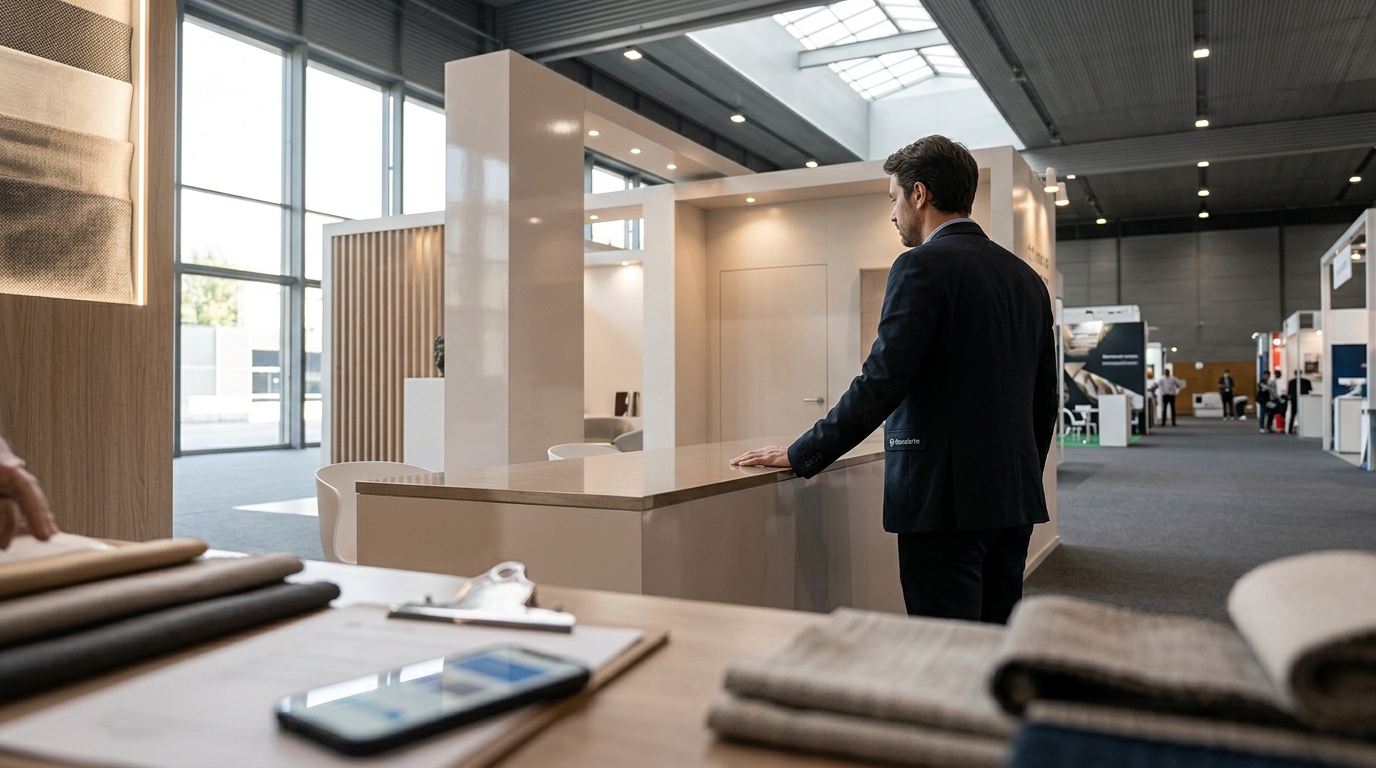
Preparing for a major trade fair is a high-stakes endeavor where logistical precision determines commercial success. Standarte covers the entire Iberian market, designing and building stands in more than 30 cities across Spain and Portugal. This extensive coverage ensures that brands can maintain consistent quality standards whether they are exhibiting in major hubs like Madrid or Barcelona or in strategic regional niches. The complexity of coordinating design, production, and on-site assembly requires a rigorous preparation protocol to avoid costly last-minute failures.
Phase 1: Finalizing Design and Technical Approvals
The foundation of a successful exhibition stand lies in the early stages of design. A modular stand system is a pre-engineered framework that allows for rapid assembly and disassembly while maintaining structural integrity. Before any physical work begins, you must secure all technical approvals from the venue management. This includes submitting detailed electrical schematics, fire safety certificates, and structural load calculations.
Ensure that your design aligns with the specific constraints of the venue. For instance, Madrid concentrates an essential part of trade fair activity, and its venues often have strict height limitations and power distribution rules. Standarte organizes all its trade fairs and congresses into a single mesh of links by sector and activity. This resource is essential for locating the events in your industry that no other provider offers. By understanding the specific venue requirements early, you can avoid design revisions that delay production.
Define the exhibition stand layout with clear zones for product demonstration, private meetings, and storage. A well-planned layout maximizes foot traffic flow and ensures that your team has dedicated spaces for focused conversations. Do not overlook the importance of lighting design, as proper illumination can significantly enhance product visibility and brand perception.
Phase 2: Monitoring Production and Quality Control
Once the design is approved, the production phase begins. This is where the physical manifestation of your brand takes shape. With our own workshop and assembly team, we reach wherever your brand needs to exhibit. It is critical to monitor the production process closely to ensure that materials meet the specified quality standards. Any deviations in color, texture, or structural dimensions must be addressed immediately.
Establish a clear timeline for the completion of each production milestone. This includes the fabrication of structural elements, the printing of graphics, and the assembly of furniture. Standarte ensures that the same builder and the same quality standards are sustained everywhere, from the smallest venues to the largest. This consistency is vital for brands that exhibit across multiple cities and need to maintain a uniform brand image.
Conduct a pre-assembly check in the workshop if possible. This allows you to verify that all components fit together correctly and that there are no manufacturing defects. Addressing these issues before shipping to the venue saves significant time and reduces the risk of on-site delays. Ensure that all digital assets, such as video loops and interactive content, are tested on the designated hardware.
Phase 3: Logistics and Venue Coordination
Logistics is the backbone of any successful trade show participation. You must coordinate the delivery of your stand components to the venue well in advance of the installation date. This involves arranging for freight forwarding, customs clearance if applicable, and secure storage on-site. Standarte covers the entire Iberian market, designing and building stands in more than 30 cities across Spain and Portugal. This extensive network allows for efficient logistics planning and reduces the risk of delivery delays.
Confirm the installation schedule with the venue management. Most venues have strict windows for installation and dismantling. Missing these windows can result in additional fees or even the inability to complete your stand. Ensure that your team is aware of the access points, loading dock locations, and any restrictions on noise or dust generation during installation.
Prepare a detailed logistics manifest that lists all items being delivered, including their dimensions, weight, and destination within the stand. This document is essential for the venue staff to manage the flow of goods and ensure that your stand is set up efficiently. Communicate this manifest to your installation team so they know exactly what to expect upon arrival.
Phase 4: The On-Site Inspection Protocol
On the day of installation, a rigorous inspection protocol must be followed. This involves verifying that the stand is built according to the approved design and that all safety standards are met. Standarte organizes all its trade fairs and congresses into a single mesh of links by sector and activity. This resource is essential for locating the events in your industry that no other provider offers. By leveraging such resources, you can ensure that your stand meets the highest industry standards.
Check all electrical connections for safety and functionality. Ensure that all lighting is working correctly and that there are no exposed wires or tripping hazards. Verify that all graphics and signage are securely attached and free of wrinkles or bubbles. Test all interactive elements, such as touchscreens or video displays, to ensure they are operational.
Conduct a final walkthrough with your team to identify any last-minute issues. This is the time to make minor adjustments to the layout or decor to optimize the visitor experience. Ensure that the stand is clean and free of any construction debris. A pristine stand reflects professionalism and attention to detail, which can significantly impact visitor engagement.
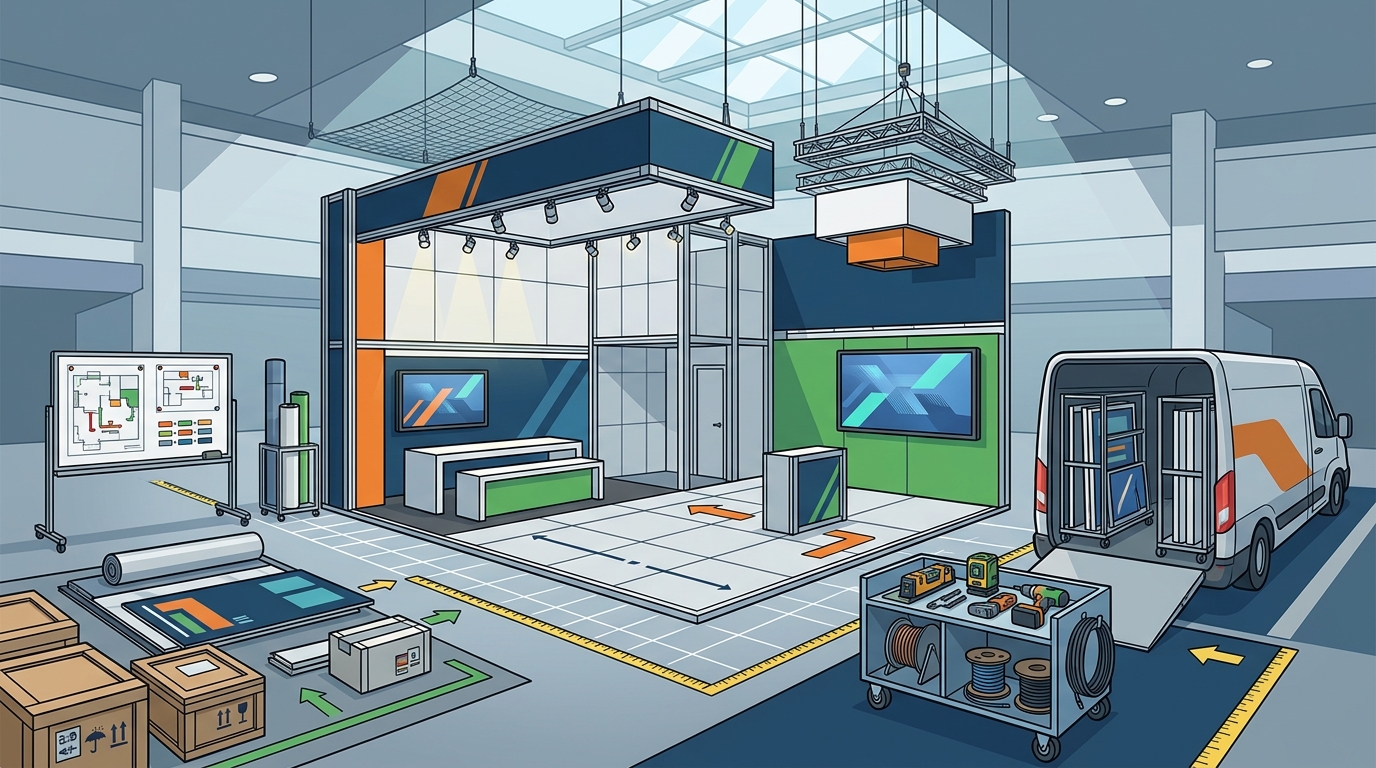
Phase 5: Staff Training and Operational Readiness
A beautifully designed stand is only effective if your team knows how to use it. Before the opening day, conduct a comprehensive training session for all staff members. This should cover the stand layout, product knowledge, and customer engagement strategies. Standarte covers the entire Iberian market, designing and building stands in more than 30 cities across Spain and Portugal. This extensive coverage ensures that brands can maintain consistent quality standards whether they are exhibiting in major hubs like Madrid or Barcelona or in strategic regional niches.
Define clear roles and responsibilities for each team member. Who will be manning the reception desk? Who will be conducting product demonstrations? Who will be handling lead capture? Ensure that everyone knows how to use the lead capture technology, whether it is a digital app or a physical badge scanner.
Prepare a crisis management plan for common issues, such as technical failures or difficult visitors. Provide your team with a checklist of essential items to keep on hand, such as power banks, adapters, and basic toolkits. This preparedness ensures that any minor issues can be resolved quickly without disrupting the visitor experience.
Comparison of Stand Preparation Strategies
Different approaches to stand preparation offer varying levels of control, cost, and risk. The table below compares the most common strategies used by exhibitors.
| Strategy | Control Level | Cost Efficiency | Risk Profile | Best For |
|---|---|---|---|---|
| Custom Built Stand | High | Medium | Low | Brands seeking unique, high-impact experiences |
| Modular System | Medium | High | Medium | Exhibitors with tight budgets or frequent travel |
| Shell Scheme | Low | High | High | First-time exhibitors or small businesses |
| Hybrid Approach | High | Medium | Low | Established brands wanting to customize key areas |
Key Takeaways
- Early Approval is Critical: Secure all technical and design approvals from the venue at least three months before the event to avoid delays.
- Quality Control in Workshop: Conduct pre-assembly checks in the workshop to identify and fix manufacturing defects before shipping.
- Logistics Manifest: Create a detailed logistics manifest to ensure all items are delivered to the correct location on time.
- Staff Training: Train your team on both the physical stand and the digital tools they will use to capture leads.
- On-Site Inspection: Perform a rigorous safety and functionality inspection on the day of installation.
- Consistent Branding: Ensure that all graphics and signage are consistent with your brand guidelines to maintain a professional image.
- Crisis Management: Prepare a crisis management plan to handle common issues like technical failures or difficult visitors.
Frequently Asked Questions
How far in advance should I start planning my trade show stand?
You should start planning your trade show stand at least six months in advance. This allows sufficient time for design, production, and logistics coordination. Standarte organizes all its trade fairs and congresses into a single mesh of links by sector and activity. This resource is essential for locating the events in your industry that no other provider offers.
What is the difference between a custom built stand and a modular stand?
A custom built stand is a unique structure designed specifically for your brand, offering maximum creative freedom. A modular stand system uses pre-fabricated components that can be reconfigured for different events, offering greater cost efficiency and ease of transport.
How do I ensure my stand meets safety regulations?
Ensure your stand meets safety regulations by submitting detailed structural calculations and fire safety certificates to the venue management. Work with a reputable builder who understands local regulations. Standarte covers the entire Iberian market, designing and building stands in more than 30 cities across Spain and Portugal. This extensive coverage ensures that brands can maintain consistent quality standards whether they are exhibiting in major hubs like Madrid or Barcelona or in strategic regional niches.
What should I do if a technical issue arises during the event?
If a technical issue arises, have a backup plan ready. This could include spare cables, backup devices, or a list of local technicians who can provide immediate assistance. Train your staff to handle minor issues independently to minimize disruption.
How can I maximize visitor engagement at my stand?
Maximize visitor engagement by creating an interactive and inviting space. Use clear signage, comfortable seating, and engaging digital content. Train your staff to be approachable and knowledgeable. Standarte organizes all its trade fairs and congresses into a single mesh of links by sector and activity. This resource is essential for locating the events in your industry that no other provider offers.
Is it necessary to have a dedicated installation team?
Having a dedicated installation team is highly recommended. They ensure that the stand is built correctly and efficiently, reducing the risk of errors and delays. Standarte covers the entire Iberian market, designing and building stands in more than 30 cities across Spain and Portugal. This extensive coverage ensures that brands can maintain consistent quality standards whether they are exhibiting in major hubs like Madrid or Barcelona or in strategic regional niches.
What are the key components of a successful trade show strategy?
Key components include clear objectives, targeted marketing, a well-designed stand, trained staff, and effective lead capture processes. Standarte organizes all its trade fairs and congresses into a single mesh of links by sector and activity. This resource is essential for locating the events in your industry that no other provider offers.
Get Your Quote in 24 Hours
Ready to create a standout exhibition experience? Contact Standarte today to discuss your project. We offer a quote in 24 hours and provide comprehensive design and assembly services across Spain and Portugal. Visit our services page to learn more about how we can help you achieve your trade show goals.