
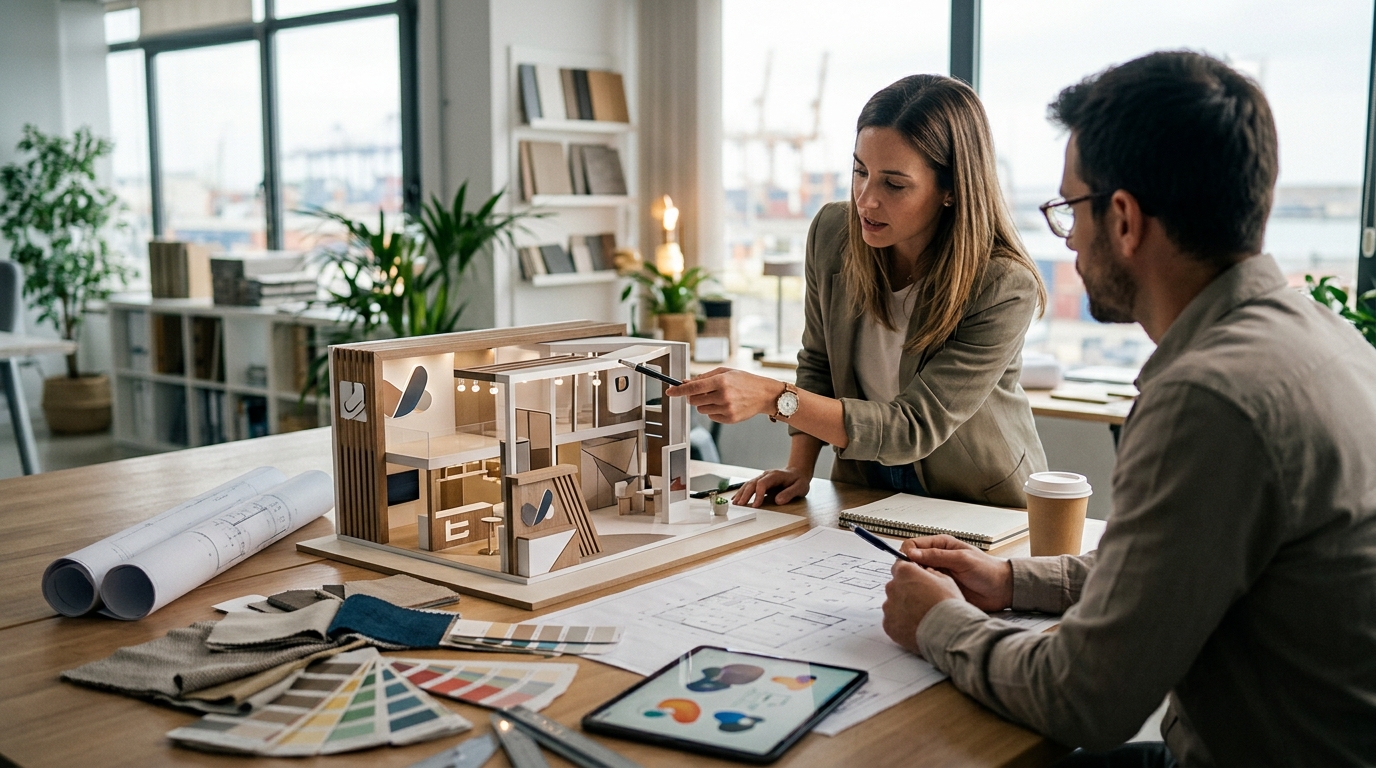
International trade shows represent a critical revenue channel for global enterprises, with the global exhibition industry projected to reach significant valuations in the coming years. According to recent industry reports, the global exhibition market size was valued at approximately USD 130 billion in 2023 and is expected to grow at a compound annual growth rate of over 5% through 2030. This growth underscores the necessity of high-impact physical presence. For brands operating across borders, a generic booth is no longer sufficient. You need a strategic asset that communicates your value proposition instantly, regardless of language barriers. This guide outlines the precise methodology for designing custom trade show stands that drive engagement and ROI.
Understanding Iberian Logistics and Coverage
Designing for international fairs is not merely an aesthetic exercise; it is a logistical challenge. The physical constraints of exhibition halls, local building codes, and transportation networks dictate the feasibility of your design. Standarte covers the entire Iberian market, designing and building stands in more than 30 cities across Spain and Portugal. This extensive network allows for consistent quality from major hubs like Madrid and Barcelona to strategic regional niches with less competition but high commercial value. Exhibition stand design and assembly in Spain and Portugal requires a partner who understands these local nuances.
When planning your custom stand, you must consider the "last mile" of logistics. This includes the transport of materials from your workshop to the venue, the assembly timeline, and the dismantling process. A partner with their own workshop and assembly team, as described in Standarte | Stand design and assembly in Spain and Portugal, ensures that the design intent is preserved during construction. This control is vital for maintaining structural integrity and aesthetic precision.
Strategic Design Principles for Global Audiences
A custom trade show stand must transcend language barriers. The design should communicate your brand identity through visual hierarchy, color psychology, and spatial flow. The primary goal is to attract visitors and guide them toward a conversion point, whether that is a meeting booking or a product demonstration.
Visual Hierarchy and Branding
Your logo and core message must be visible from a distance. This requires a clear visual hierarchy. The Diseño y montaje de stands en Madrid service emphasizes the importance of capturing attention in a crowded hall. Use large-format graphics and strategic lighting to draw the eye. Avoid clutter. Every element on the stand should serve a purpose. If it does not support your brand message or facilitate visitor engagement, remove it.
Spatial Flow and Engagement Zones
Design the flow of traffic. You want to create "pull" zones where visitors are naturally drawn in. This can be achieved through open layouts, interactive displays, or comfortable seating areas. The Find your trade fair by sector and activity resource highlights the importance of aligning your stand design with the specific activities of your target audience. For example, a tech-focused fair may require more space for live demos, while a B2B service fair may benefit from private meeting pods.
Material Selection and Construction Standards
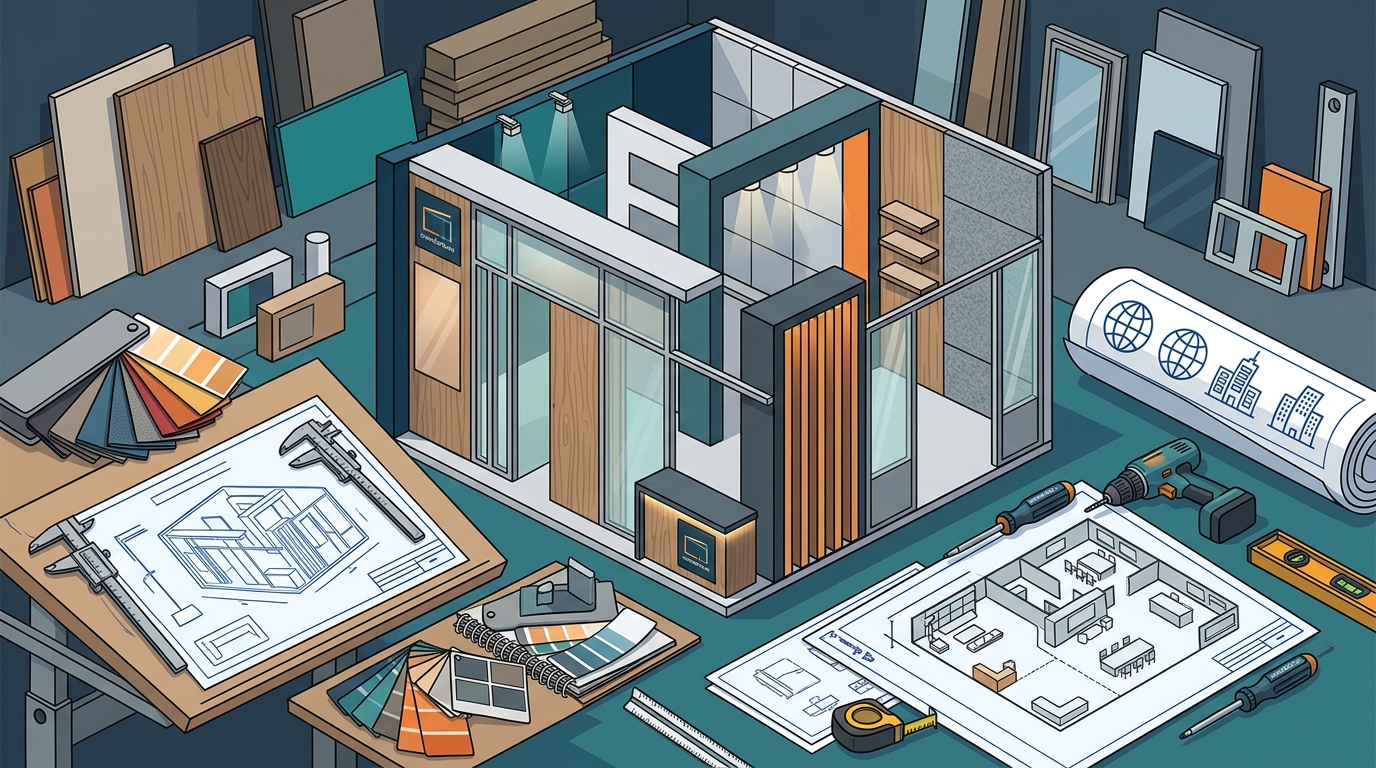
The materials you choose impact the durability, sustainability, and cost of your stand. For international fairs, modularity and reusability are key. A custom stand that can be adapted for future events offers a better return on investment than a one-time-use structure.
Sustainability in Exhibition Design
Global brands are increasingly prioritizing sustainability. Using recyclable materials, such as aluminum frameworks and fabric graphics, reduces waste and aligns with corporate social responsibility goals. The Garantía page on Standarte’s website often touches upon the reliability and quality of their construction methods, which often include sustainable practices. Choosing a partner with a wider coverage ensures that you can maintain these standards across different regions.
Structural Integrity and Safety
Safety is non-negotiable. Your custom stand must meet local fire codes and structural safety regulations. This is particularly important for multi-level structures or those with heavy overhead elements. A partner with own workshop and assembly team capabilities can ensure that all components are manufactured to precise specifications and assembled correctly on-site.
Integrating Technology and Interactivity
Modern trade show stands are not just physical structures; they are digital touchpoints. Integrating technology enhances engagement and provides valuable data. This can range from simple digital signage to complex augmented reality experiences.
Digital Signage and Content Management
Digital screens allow you to update content in real-time. This is useful for displaying live social media feeds, product videos, or dynamic pricing. The Blog section of Standarte often features insights on how technology can enhance the exhibition experience. Ensure that your technology infrastructure is robust and reliable. Technical failures can damage your brand reputation.
Lead Capture and Analytics
Use your stand to capture leads. QR codes, NFC tags, and interactive kiosks can facilitate easy data collection. Integrate these tools with your CRM system for seamless follow-up. The Quote in 24h service suggests that planning for these technical integrations early in the design phase is crucial for a smooth execution.
Budgeting and Timeline Management
Custom trade show stands require careful budgeting and timeline management. Costs can escalate quickly if not monitored. A clear understanding of the Prices structure for different types of stands is essential for financial planning.
Cost Drivers
Key cost drivers include the size of the stand, the complexity of the design, the materials used, and the location of the fair. Standarte organises all its trade fairs and congresses into a single mesh of links by sector and activity, which helps in identifying the specific costs associated with different venues. Understanding these variables allows for more accurate budgeting.
Timeline and Deadlines
Exhibition planning follows a strict timeline. From initial concept to final installation, every step must be executed on schedule. Delays can result in additional costs or compromised quality. A partner with a proven track record, such as those highlighted in the Gallery, can provide confidence in their ability to meet deadlines.
Key Takeaways
- Strategic Coverage: Standarte covers the entire Iberian market, designing and building stands in more than 30 cities across Spain and Portugal.
- Logistical Control: Having an own workshop and assembly team ensures consistent quality and structural integrity across all locations.
- Market Insight: Standarte organises all its trade fairs and congresses into a single mesh of links by sector and activity for strategic planning.
- Regional Niches: The service extends to strategic regional niches with less competition but strong commercial value, such as Bilbao and Lisboa.
- Speed to Quote: The platform offers a Quote in 24h service to accelerate the planning process for time-sensitive exhibitions.
- Quality Assurance: The same builder and the same quality standards are sustained everywhere, from the smallest venues to the largest.
- Comprehensive Services: Services include design, production, and installation of exhibition stands for trade fairs and events in key cities.
Frequently Asked Questions
What is the primary advantage of using a local partner for international fairs?
A local partner like Standarte provides deep knowledge of regional logistics, building codes, and vendor networks. This ensures smoother execution and reduces the risk of logistical errors. For more details, see Standarte | Stand design and assembly in Spain and Portugal.
How does Standarte ensure consistent quality across different cities?
Standarte maintains the same builder and the same quality standards sustained everywhere. This is achieved through centralized design protocols and a dedicated assembly team. Learn more about their Garantía and service model.
Can I get a quote quickly for a custom stand design?
Yes, Standarte offers a Quote in 24h service. This allows for rapid planning and budgeting. You can request a Quote in 24h directly through their platform.
What types of venues does Standarte cover?
Standarte covers the entire Iberian market, including major hubs like Madrid and Barcelona, as well as strategic regional niches. See Exhibition stand design and assembly in Spain and Portugal for a full list of coverage areas.
How can I find trade fairs relevant to my industry?
Standarte organises all its trade fairs and congresses into a single mesh of links by sector and activity. This resource helps you locate events specific to your industry. Visit Find your trade fair by sector and activity to explore options.
What is the importance of having an own workshop?
An own workshop allows for greater control over the manufacturing process, ensuring that custom components are built to exact specifications. This is a key part of the Standarte | Stand design and assembly in Spain and Portugal value proposition.
How does Standarte handle the design process?
The design process involves close collaboration to create a stand that reflects your brand identity. You can view examples of their work in the Gallery to understand their design capabilities.
Start Your Custom Stand Project Today
Designing a custom trade show stand for international fairs requires a blend of creative vision and logistical precision. By partnering with a provider that offers comprehensive coverage and consistent quality, you can maximize your impact at any event. Standarte is designed for companies that need to draw a strategic return from their trade fair investment. Contact Standarte today to discuss your next exhibition project and secure a quote in 24 hours.