
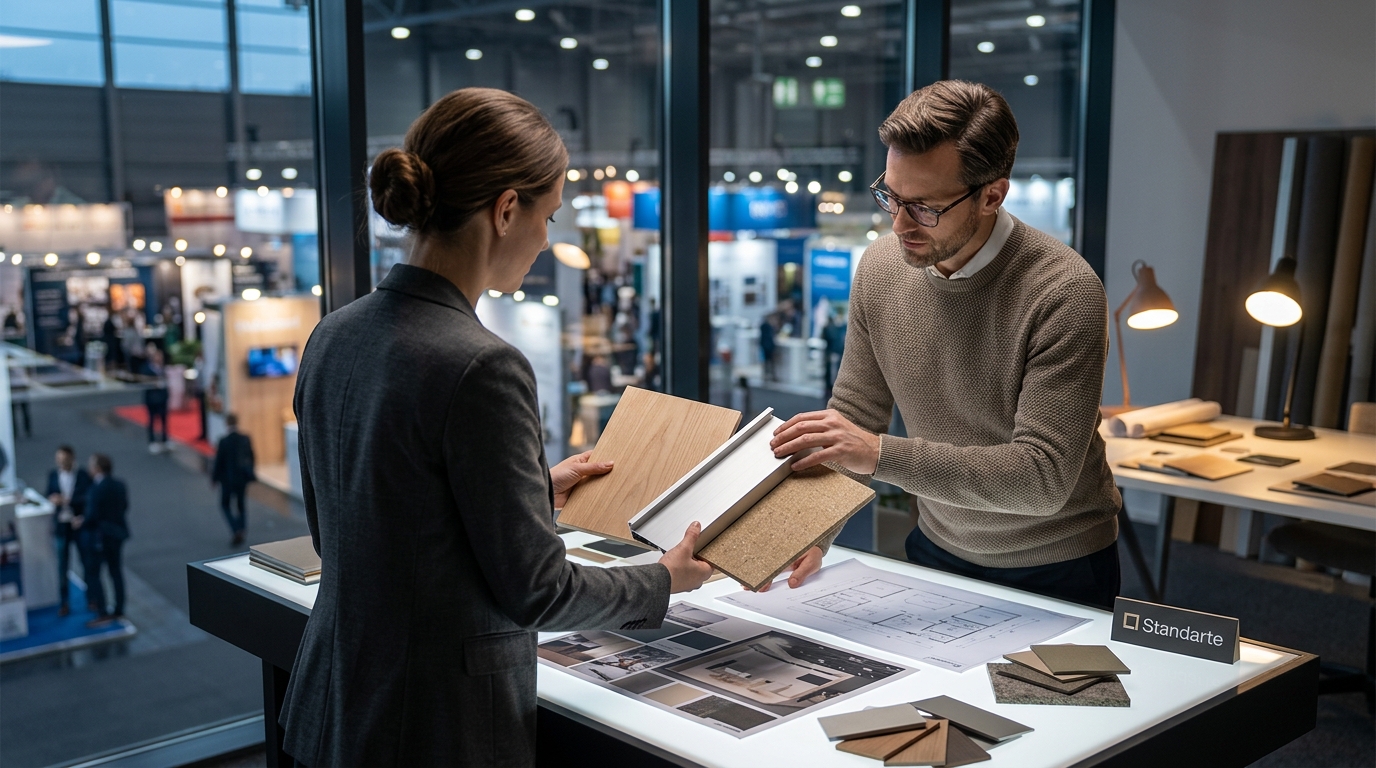
The global exhibition industry is projected to reach a valuation of over $100 billion by 2027, driven by a resurgence in face-to-face B2B engagement. According to data from the Global Association of the Exhibition Industry, trade shows remain the most effective channel for lead generation, with 85% of exhibitors citing them as a primary source of qualified prospects. However, the physical manifestation of your brand at these events hinges entirely on the materials selected for your ephemeral architecture. The choice between lightweight aluminum, sustainable composites, and premium finishes dictates not only the structural safety of your booth but also the perceived value of your brand in the eyes of potential clients. (Standarte Dise o y)
Understanding Structural Integrity and Safety
Ephemeral architecture refers to temporary structures designed to be dismantled and reused. The primary challenge in this field is maintaining rigidity without the benefit of permanent foundations. Aluminum profiles are the industry standard for this purpose. Aluminum is a lightweight metal alloy that offers an exceptional strength-to-weight ratio, making it ideal for large-span structures. (Standarte Monteur de stands)
When selecting materials, you must consider the load-bearing requirements of your design. Heavy digital screens, hanging signage, and dense shelving units require a robust internal framework. Standarte utilizes proprietary aluminum systems that allow for complex geometries while ensuring stability. The structural grid must be calculated to withstand the dynamic loads of high-traffic exhibition halls. A failure in material selection can lead to catastrophic structural issues, risking both attendee safety and brand reputation. (Standarte)
Furthermore, the connection points between materials are critical. High-quality stands use precision-engineered connectors that prevent wobbling or shifting during the event. This engineering precision is what separates a premium exhibition stand from a temporary construction site. The goal is to create an environment that feels permanent and substantial, despite its temporary nature.
The Rise of Sustainable and Reusable Systems
Sustainability is no longer a optional preference but a core requirement for modern exhibition design. The European Union has implemented strict regulations regarding waste management at large-scale events. Exhibitors are increasingly penalized for generating excessive waste through single-use materials. Consequently, the market has shifted toward reusable modular systems.
Modular exhibition systems are designed to be disassembled, transported, and reconfigured for future events. This approach significantly reduces the carbon footprint associated with each trade show. According to industry reports on sustainable event management, companies using reusable structures reduce their material waste by up to 90% compared to traditional carpentry-based builds. This reduction is not just environmental but also financial, as it lowers long-term logistics costs.
Standarte emphasizes this sustainable approach by offering designs that maximize material reuse. Our workshop in Spain produces components that are standardized yet flexible enough to accommodate unique brand identities. By choosing materials like recycled aluminum and eco-friendly laminates, brands can align their physical presence with their corporate social responsibility (CSR) goals. This alignment resonates deeply with environmentally conscious B2B buyers.
Aesthetic Finishes and Brand Perception
The tactile and visual qualities of your stand materials directly influence visitor engagement. The surface finish of your materials determines how light interacts with the space, affecting the overall ambiance. Matte finishes reduce glare from overhead exhibition lighting, creating a more professional and focused environment. Glossy finishes, when used strategically, can add a sense of luxury and modernity.
Material selection also impacts the acoustic properties of the booth. Hard surfaces like glass and polished metal can create echo chambers, which may hinder conversation. Integrating soft materials such as acoustic panels or fabric banners helps absorb sound, creating a more intimate and productive space for client meetings. This acoustic comfort is a subtle but powerful driver of visitor retention.
Branding integration is another critical aspect of material aesthetics. High-resolution printing on tension fabrics allows for vibrant, wrap-around graphics that eliminate visual seams. This technique creates a seamless brand immersion that flat panels cannot achieve. The choice of material must therefore balance visual impact with functional performance. Standarte provides a gallery of past projects that demonstrate how different material combinations can elevate brand presence.
Logistics and Assembly Efficiency
The logistical complexity of transporting exhibition stands is often underestimated. Large custom builds require crating, specialized freight, and extensive on-site labor. In contrast, modular systems are designed for flat-pack shipping, which drastically reduces transportation costs. This efficiency is particularly important for companies exhibiting across multiple cities in Spain and Portugal.
Assembly time is another crucial factor. A stand that takes three days to build incurs higher labor costs and increases the risk of errors. High-quality ephemeral architecture utilizes quick-connect mechanisms that allow for rapid deployment. Standarte’s team of professional assemblers can erect complex structures in a fraction of the time required for traditional builds. This speed ensures that the booth is ready for the opening ceremony without last-minute rushes.
Storage is also a consideration for brands that exhibit frequently. Modular components can be stored in compact cases, reducing warehousing needs. This logistical advantage allows companies to scale their exhibition activities without proportional increases in operational overhead. The ability to quickly deploy and dismantle stands is a key competitive advantage in the fast-paced trade show environment.
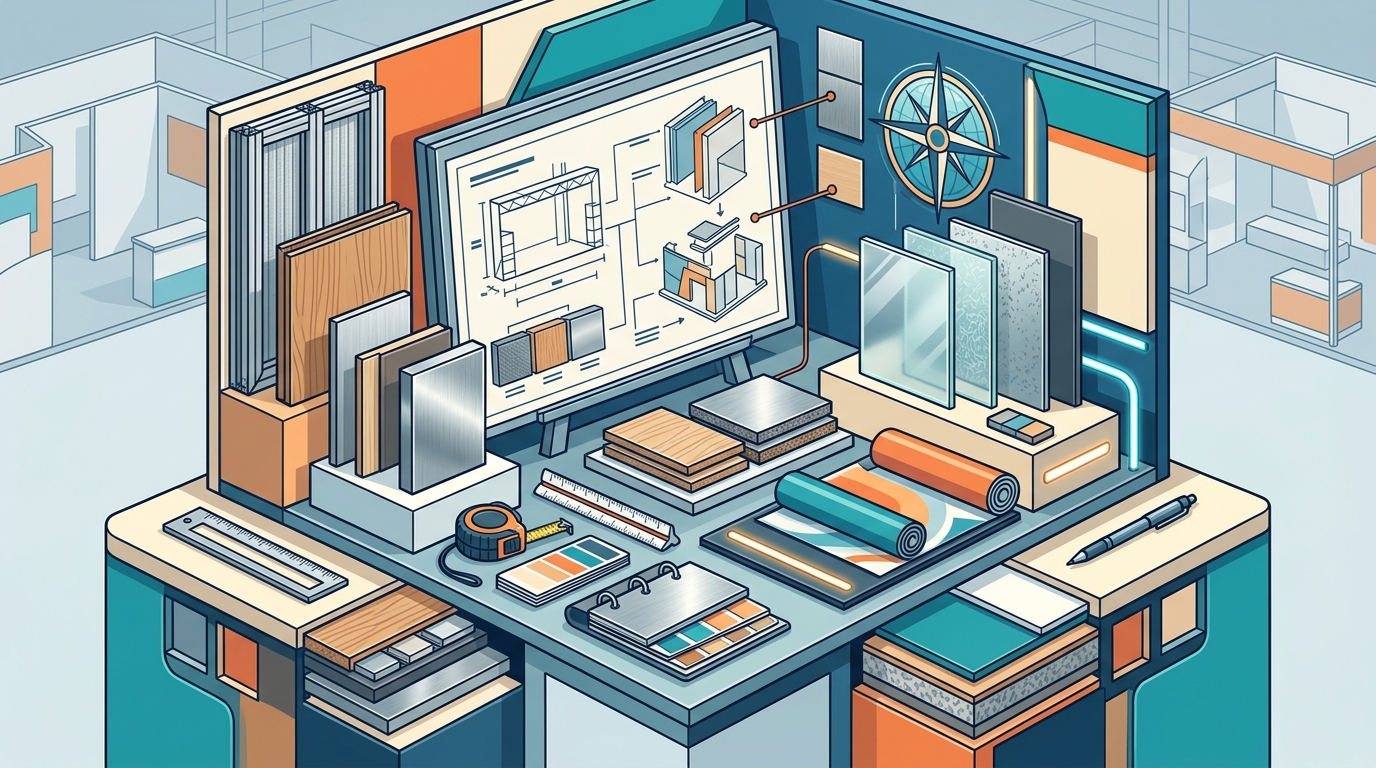
Cost Analysis: Custom vs. Modular
Understanding the cost structure of exhibition stands is essential for budget planning. Custom carpentry stands often have a lower upfront cost but a higher total cost of ownership due to repeated construction and disposal. Modular systems have a higher initial investment but offer significant savings over multiple events.
The total cost of ownership includes design fees, manufacturing, transportation, assembly, storage, and eventual disposal or resale. When calculated over a three-year period, reusable aluminum systems often prove more economical than one-off custom builds. Additionally, the flexibility of modular systems allows for design updates without the need for complete reconstruction. This adaptability ensures that your brand presence remains fresh and relevant.
Standarte offers transparent pricing models that break down these costs for clients. By understanding the long-term value of high-quality materials, brands can make informed decisions that align with their marketing budgets. The investment in durable materials pays dividends in brand consistency and operational efficiency.
Key Takeaways
- Structural Safety: Aluminum profiles provide the necessary strength-to-weight ratio for large-span ephemeral structures.
- Sustainability: Reusable modular systems can reduce exhibition waste by up to 90% compared to traditional builds.
- Brand Perception: Material finishes like matte and glossy surfaces significantly impact visitor engagement and brand image.
- Logistics: Flat-pack modular designs reduce transportation costs and assembly time for multi-city tours.
- Cost Efficiency: High-quality reusable materials offer a lower total cost of ownership over multiple events.
- Acoustic Comfort: Integrating soft materials helps manage sound levels for better client conversations.
- Brand Consistency: Standardized components ensure a consistent brand experience across different locations.
Frequently Asked Questions
What is the most durable material for exhibition stands?
Aluminum is widely considered the most durable material for exhibition stands due to its resistance to corrosion and high strength-to-weight ratio. It can withstand repeated assembly and disassembly without losing structural integrity.
How does material choice affect the sustainability of a trade show booth?
Choosing reusable materials like aluminum and recycled composites significantly reduces waste. Modular systems allow components to be reused across multiple events, minimizing the environmental impact associated with single-use construction.
Can I customize the look of a modular exhibition stand?
Yes, modular stands can be highly customized through the use of different surface finishes, graphics, and lighting. Tension fabrics and printed panels allow for unique brand identities while maintaining the benefits of a reusable system.
What is the average lifespan of a high-quality exhibition stand?
A well-maintained modular exhibition stand can last for 10 to 15 years or more. The longevity depends on the quality of the materials and the frequency of use. Regular maintenance and proper storage extend the lifespan significantly.
How do I calculate the total cost of an exhibition stand?
Calculate the total cost by including design, manufacturing, transportation, assembly, storage, and disposal. Reusable systems often have a higher upfront cost but lower long-term expenses compared to custom builds.
Why is aluminum preferred over wood for temporary structures?
Aluminum is lighter, more durable, and more sustainable than wood. It does not warp or rot, and it can be easily recycled. Wood is heavier and often ends up as waste after a single use.
What role does lighting play in material selection?
Lighting interacts differently with various materials. Reflective surfaces like glass and metal can create glare, while matte surfaces diffuse light evenly. Proper lighting design enhances the chosen materials and improves the overall visitor experience.
Start Your Project
Ready to create a high-impact exhibition presence? Contact Standarte today to discuss your next trade show. Our team of experts is ready to design and build a stand that meets your strategic goals. Visit our services page to learn more about our design and assembly capabilities. Request a quote in 24 hours and start planning your success.