
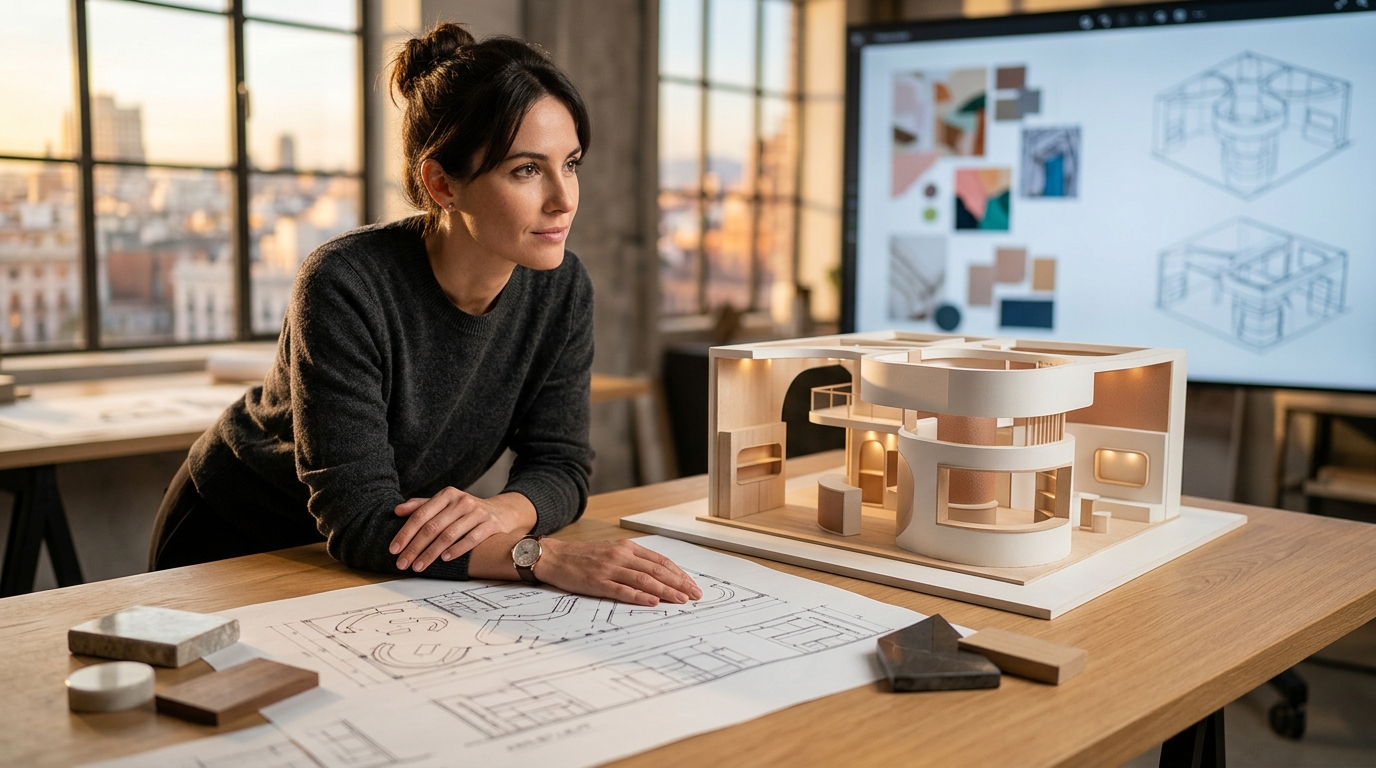
Expanding your brand presence across the Iberian Peninsula requires more than just a booth; it demands a strategic architectural intervention. According to recent industry analysis, companies that invest in custom-designed exhibition spaces see a significant increase in qualified lead generation compared to those using standard modular setups. This guide outlines the precise methodology for designing, constructing, and deploying high-impact stands across Spain and Portugal, ensuring your brand captures attention in competitive markets like Madrid, Barcelona, and Lisbon. (Standarte Dise o y)
Strategic Coverage in Spain and Portugal
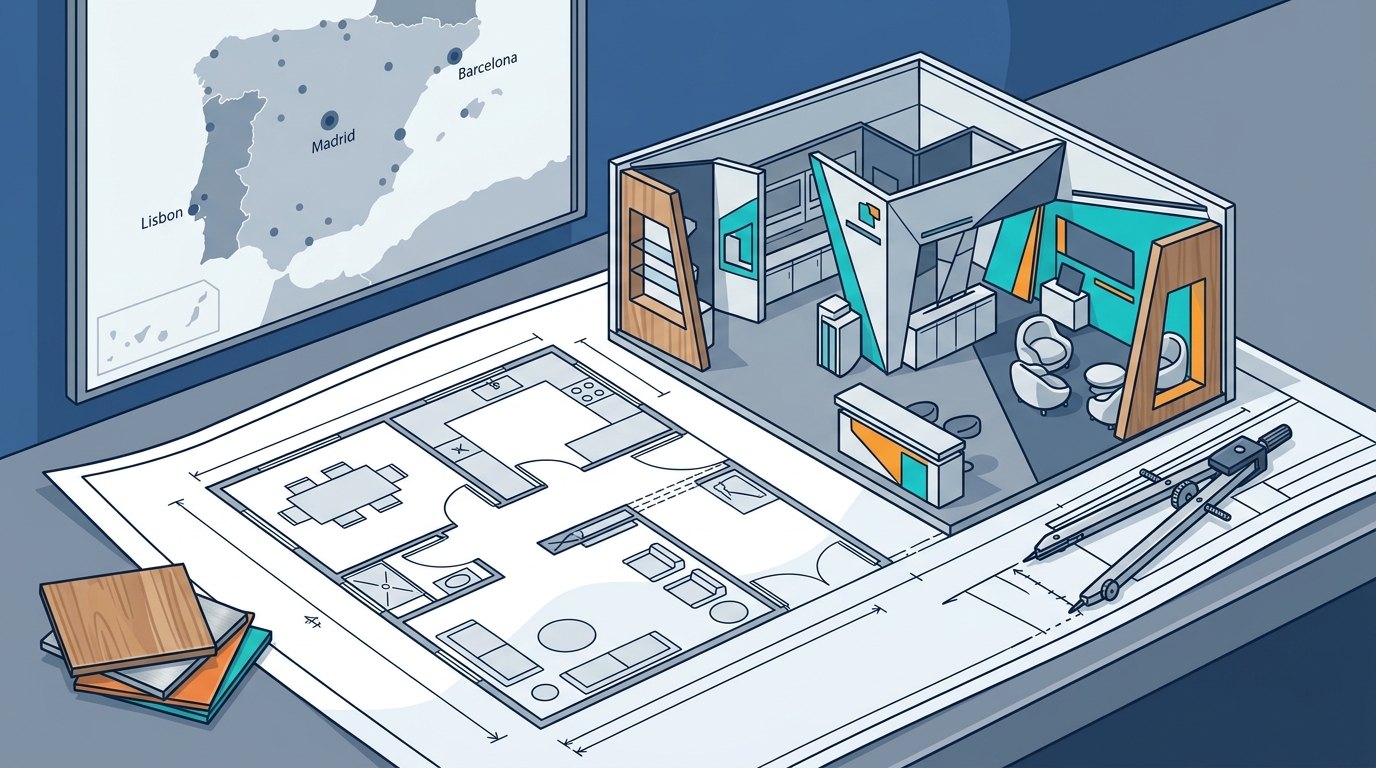
Designing for international fairs begins with understanding the geographic and cultural nuances of the target region. Standarte operates with the largest coverage in the Iberian market, servicing over 30 cities across Spain and Portugal. This extensive network allows for consistent brand representation whether you are exhibiting in major hubs like Madrid and Barcelona or in strategic regional niches such as Badajoz or Funchal.
The choice of location dictates the design parameters. For instance, a stand in the agricultural hub of El Ejido requires different structural considerations than one in the tech-focused environment of Bilbao. By leveraging a single constructor with consistent quality standards across all locations, brands can maintain visual identity integrity while adapting to local venue constraints. This approach is critical for companies looking to establish a long-term expansion strategy in the region.
The Design and Production Workflow
A successful custom stand is the result of a rigorous, multi-phase workflow. The process begins with a technical design phase where spatial efficiency and brand storytelling intersect. This is followed by in-house production, ensuring that every component meets strict quality control metrics before leaving the workshop.
Technical Design and 3D Visualization
Before any construction begins, a detailed 3D prototype is developed. This allows stakeholders to visualize the flow of foot traffic, the placement of interactive elements, and the overall aesthetic impact. The design phase also involves calculating the exact material requirements to minimize waste and ensure structural integrity. According to architectural best practices, early visualization reduces on-site errors by up to 40%.
In-House Production and Quality Assurance
Having a dedicated workshop is a decisive advantage in the exhibition industry. It allows for precise control over materials, finishes, and timelines. The production phase involves cutting, assembling, and finishing each element to exact specifications. This internal control ensures that the final product matches the 3D design with zero deviation. The quality of the finish directly influences the perceived value of the brand during the event.
Sector-Specific Design Requirements
Different industries have unique regulatory and aesthetic requirements for their exhibition spaces. Understanding these nuances is essential for creating a stand that resonates with the target audience.
- Agroalimentario y Naturaleza: For fairs like AGROEXPO, designs often incorporate natural materials and sustainable elements to reflect the industry's values. The focus is on durability and ease of cleaning.
- Tecnología e Innovación: Tech fairs require robust infrastructure for heavy AV equipment, high-speed connectivity, and dynamic lighting. The design must support high foot traffic and facilitate quick interactions.
- Salud y Medicina: Medical and dental fairs demand sterile, clean lines and private consultation areas. The aesthetic is typically minimalist and professional to convey trust and precision.
- Construcción e Infraestructuras: Construction industry stands often feature large-scale displays of materials and machinery. Structural strength and safety are paramount, with designs that allow for heavy load-bearing.
By tailoring the design to the specific sector, brands can enhance their credibility and engagement. For example, a company in the wine and enology sector might use warm lighting and wood textures to evoke tradition and quality, while a smart city exhibitor would prioritize digital integration and open spaces for demos.
Logistics and On-Site Coordination
The complexity of international fairs extends beyond the design phase. Logistics involve the transportation of materials, on-site assembly, and the management of technical resources. Standarte provides comprehensive coordination services to ensure a seamless experience.
The coordination team manages the timeline from delivery to dismantling. This includes liaising with venue managers, overseeing the installation crew, and conducting final validations before the fair opens. The goal is to eliminate stress for the exhibitor, allowing them to focus on networking and sales. A well-coordinated setup ensures that the stand is ready to impress from the very first hour.
Custom vs. Modular Stand Solutions
When planning for international fairs, exhibitors must choose between custom-built and modular solutions. Each has distinct advantages depending on the brand's goals and budget.
| Feature | Custom Stand | Modular Stand |
|---|---|---|
| Brand Identity | Highly unique and tailored | Standardized and generic |
| Design Flexibility | Unlimited creative freedom | Limited by system components |
| Cost | Higher initial investment | Lower cost, recurring rental |
| Logistics | Complex, requires coordination | Simplified, often pre-fab |
| Impact | High visual impact | Moderate visual impact |
For brands seeking to make a lasting impression in competitive markets, a custom stand is often the superior choice. It allows for the creation of a unique environment that cannot be replicated by competitors. The investment is justified by the increased engagement and lead quality. For more details on our pricing and budgeting process, please contact our team.
Key Takeaways
- Extensive Coverage: Standarte services over 30 cities in Spain and Portugal, ensuring consistent quality across all regions.
- Integrated Workflow: The process includes technical design, in-house production, and on-site coordination for a seamless experience.
- Sector Expertise: Designs are tailored to specific industries, such as agriculture, technology, and healthcare, to meet unique requirements.
- Quality Guarantee: The "Proyecto Auditado" guarantee ensures that every stand meets high standards of construction and safety.
- Rapid Response: The company offers budget estimates within 24 hours and 3D prototypes within 3 days.
- Strategic Locations: Presence in key hubs like Madrid, Barcelona, and Lisbon allows for effective market penetration.
- Sustainability: Use of sustainable materials and processes aligns with the growing demand for eco-friendly exhibition solutions.
Frequently Asked Questions
How long does it take to design a custom stand?
The design process typically begins with a consultation to understand your brand and objectives. A 3D prototype is usually delivered within 3 days, allowing for quick revisions and approvals before production begins.
Can you manage logistics for fairs in Portugal?
Yes, Standarte has extensive experience in Portugal, servicing cities like Lisbon, Porto, and Funchal. We handle all logistics, including transportation, customs, and on-site assembly, ensuring a smooth process.
What is the "Proyecto Auditado" guarantee?
This guarantee ensures that every project is audited for quality and safety standards. It provides peace of mind by confirming that the construction meets the highest industry benchmarks.
Do you offer sustainable stand options?
Absolutely. We prioritize sustainable materials and processes, such as recyclable components and eco-friendly finishes, to help brands meet their environmental goals.
How do I get a budget for my stand?
You can request a budget by contacting our team through our contact page. We provide detailed estimates within 24 hours based on your specific requirements.
What types of fairs do you support?
We support a wide range of fairs, including agro-food, technology, healthcare, construction, and wine events. Our expertise spans multiple sectors, ensuring tailored solutions for each.
Is it better to build a custom stand or rent a modular one?
Custom stands offer superior brand impact and uniqueness, while modular stands are cost-effective for frequent, small-scale exhibitions. For international fairs where brand presence is critical, custom is often the better choice.
Start Your Project
Ready to elevate your brand at your next international fair? Contact Standarte today to discuss your design needs and receive a personalized budget. Our team is ready to help you create a memorable and impactful exhibition space. Visit our contact page to get started.