
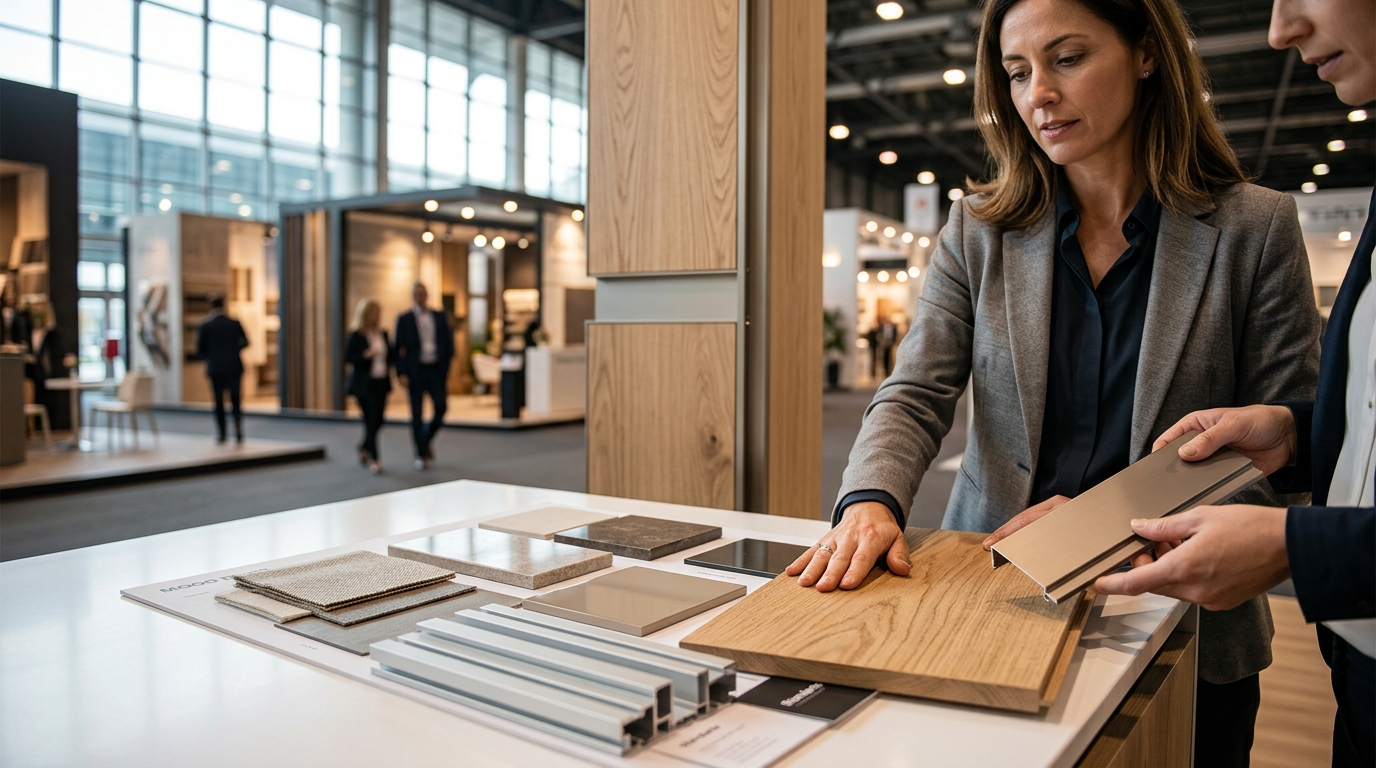
Choosing Materials for High-Quality Ephemeral Architecture Stands
Ephemeral architecture represents a specialized discipline within the exhibition industry, focusing on temporary structures that deliver permanent brand impact. According to recent industry analyses, trade show engagement is directly correlated with the tactile and visual quality of the booth environment. When selecting materials, the goal is to balance structural durability with rapid assembly capabilities. This guide explores the critical factors in material selection for high-performance stands.
Structural Integrity and Load Bearing
The foundation of any high-quality ephemeral structure is its ability to withstand dynamic loads. Trade show floors experience significant foot traffic, which can cause vibration and instability in poorly constructed stands. Industrial-grade materials are essential for maintaining structural rigidity over multi-day events.
Wood remains the gold standard for premium stands. Its natural density allows for precise joinery and robust load-bearing capacities. When designing for upper levels or cantilevered elements, engineered wood products provide the necessary tensile strength without excessive weight. Metal frameworks, particularly aluminum extrusions, offer a lightweight alternative for modular systems. These systems are ideal for stands in Alicante and other coastal venues where humidity control is critical.
Composite materials are increasingly used for curved geometries. These materials allow for complex architectural forms that would be difficult to achieve with traditional timber. However, they require specialized fabrication techniques to ensure a seamless finish. The choice of material must align with the specific structural demands of the design.
Aesthetic Finishes and Brand Perception
Material selection is not just about strength; it is about surface quality. The finish of a material dictates how the brand is perceived by visitors. High-gloss laminates reflect light, creating a sense of modernity and technological advancement. Matte finishes, on the other hand, absorb light and convey sophistication and exclusivity.
Wood veneers offer a warm, organic feel that contrasts effectively with digital screens and LED installations. This juxtaposition creates a memorable sensory experience. Exhibition design trends in 2026 emphasize the use of natural textures to create calming environments amidst the chaos of large convention centers.
Textile graphics are another critical component. They provide soft, diffused lighting effects and can be printed with high-resolution imagery. The choice of fabric weight and opacity affects the vibrancy of the colors. Heavy-duty fabrics are preferred for large-format prints to prevent sagging and ensure durability during transport.
Sustainability and Circular Economy
Environmental responsibility is a growing priority for exhibitors. The use of sustainable materials is no longer optional but a strategic requirement. Eco-friendly construction methods reduce waste and enhance brand reputation among environmentally conscious consumers.
Recycled aluminum is a primary material for sustainable stands. It is infinitely recyclable and requires significantly less energy to produce than virgin aluminum. Bamboo is another rapidly renewable resource that offers high strength-to-weight ratios. It is particularly suitable for flooring and wall panels.
Modular systems contribute to sustainability by allowing components to be reused across multiple events. This reduces the need for new materials for each exhibition. Standarte prioritizes sustainable stand construction in A Coruña and other regions to minimize the carbon footprint of each project.
Assembly Efficiency and Logistics
The complexity of material assembly directly impacts the budget and timeline of a project. Materials that require specialized tools or skilled labor increase costs. Prefabricated components that use click-lock or bolt-together systems reduce on-site assembly time.
Lightweight materials reduce shipping costs and simplify logistics. Aluminum and composite panels are easier to transport than heavy timber structures. This is particularly important for international exhibitions where customs and transportation regulations are strict.
Standardization of materials allows for greater flexibility in design. Using a limited palette of materials simplifies the supply chain and ensures consistency in quality. Efficient project management relies on the predictability of material behavior during assembly.
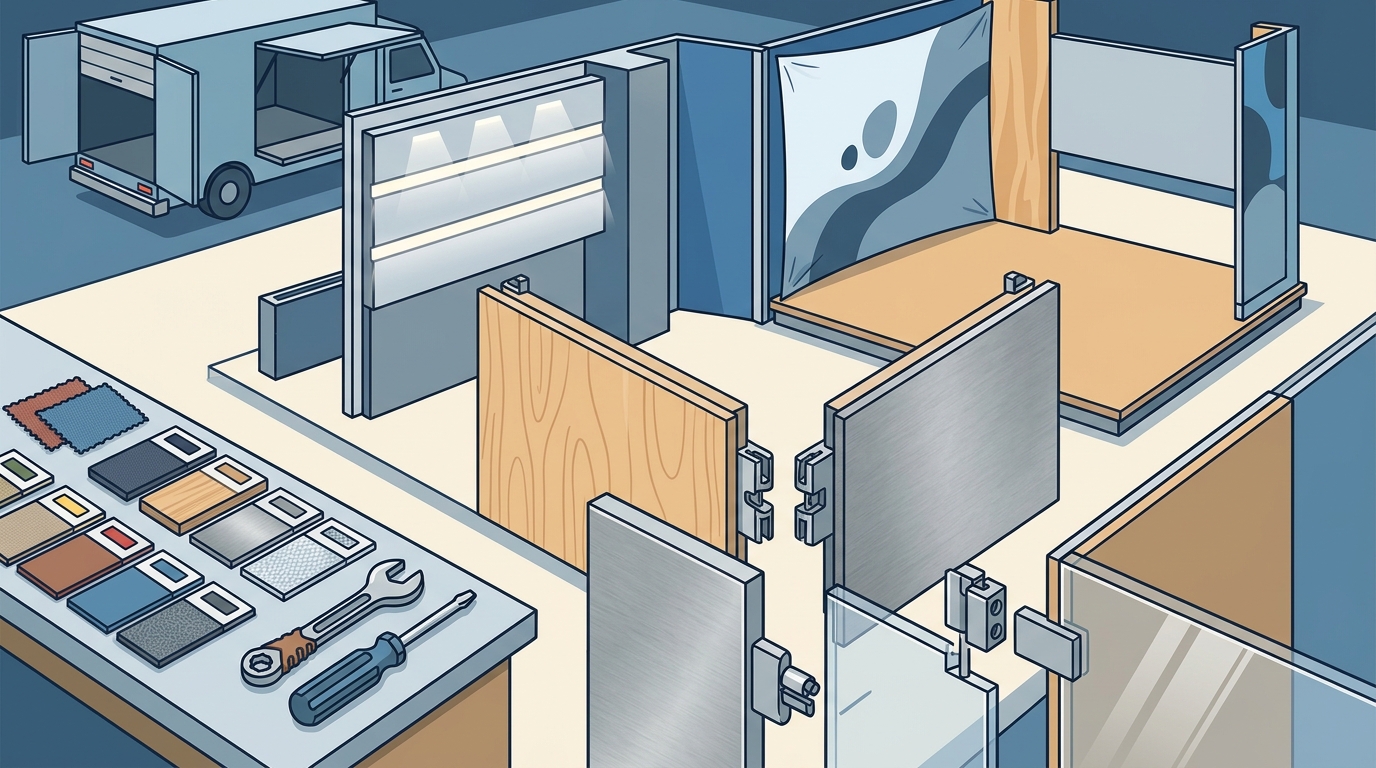
Material Comparison Matrix
The following table compares the most common materials used in high-quality ephemeral architecture. Each material has distinct advantages and limitations that must be considered during the design phase.
| Material | Structural Strength | Aesthetic Flexibility | Sustainability | Best Use Case |
|---|---|---|---|---|
| Engineered Wood | High | High | Medium | Premium brand presence |
| Aluminum Extrusion | Medium | Low | High | Modular systems |
| Bamboo | Medium-High | Medium | Very High | Eco-conscious branding |
| Composite Panels | Medium | Very High | Low | Complex curves |
| Recycled Textiles | Low | High | High | Lighting and graphics |
Key Takeaways
- Structural integrity is paramount for safety and stability in high-traffic environments.
- Aesthetic finishes directly influence visitor perception and brand alignment.
- Sustainable materials like bamboo and recycled aluminum are becoming industry standards.
- Modular systems reduce long-term costs and environmental impact.
- Lightweight materials simplify logistics and reduce shipping expenses.
- Standardization of materials improves project predictability and quality control.
- Professional assembly is critical for maintaining material integrity.
Frequently Asked Questions
What is the most durable material for trade show stands?
Engineered wood is widely considered the most durable material for high-quality stands due to its density and resistance to wear. It provides a solid foundation for heavy fixtures and frequent use.
How do I ensure sustainability in my stand design?
Choose materials that are recyclable or rapidly renewable, such as bamboo or recycled aluminum. Design for disassembly to allow components to be reused in future events.
Can composite materials be used for large structures?
Yes, composite materials can be used for large structures, particularly for curved elements. However, they require specialized fabrication and may have lower structural strength compared to wood.
What are the benefits of using aluminum extrusions?
Aluminum extrusions offer a lightweight, modular solution that is easy to assemble and disassemble. They are highly sustainable and ideal for companies that exhibit frequently.
How does material choice affect lighting design?
Material opacity and texture significantly impact lighting effects. Translucent materials allow for integrated lighting, while reflective surfaces can amplify light output.
Is it cost-effective to reuse stand materials?
Yes, reusing materials is cost-effective over time. Although initial costs may be higher, the long-term savings from reduced fabrication and shipping costs are substantial.
What role does local fabrication play in material selection?
Local fabrication reduces transportation costs and carbon footprint. It also allows for better quality control and faster response to design changes.
Request Your Custom Quote
Ready to elevate your brand with high-quality ephemeral architecture? Standarte offers expert design and construction services across Spain and Portugal. Our team specializes in creating bespoke stands that combine structural integrity with aesthetic excellence. Contact us today to discuss your next exhibition project and receive a detailed proposal within 24 hours. Visit our contact page to get started.